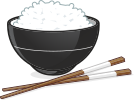









Jasmine rice, renowned for its delicate, floral aroma and soft, sticky texture, is a staple in many Asian cuisines. Originating from Thailand, this rice variety is an essential component of Thai dishes. Named after the jasmine flower due to its scent, jasmine rice is beloved worldwide for its unique taste and fragrance. In this article, we'll explore its characteristics, benefits, and offer a few simple and delicious recipes.
- Intro
- Whole Our offer
 Sushi Essentials
 Instant soups
 Rice
 Noodles and Vermicelli
 Flour, starch & Rice paper
 Coating mixture, tempura & panko
 Spices and seasonings
 Sauces and Marinades
 Sweets and snacks
 Beverages
 Dried products
 Preserved Products
 Coconut products
 Healthy food
 Oil and butter
 Dairy and milk products
 Frozen food
 Fresh vegetables and fruits
 Package of ingredients
 Food supplements
 Decorations and gifts
 Incense sticks
 Kitchenware
 Gastro Packaging
 Ointments-medical oils-balms
 HORECA - For Hotels, restaurants, catering
- Sale
- Sushi
- Instant soups
- Ramen & noodles
- Snacks & Sweets
- Sauces
- Drinks
- Kitchenware
- Recipes
 Thai cuisine
 Vietnamese cuisine
- Vietnamese Beef Soup PHỞ BÒ
- Vietnamese chicken soup PHỞ GÀ
- Banh mi sandwich
- Nem cuốn
- Bún chả
- Bún bò Nam Bộ
- Vietnamese dipping sauce - Nước Chấm
- Bánh Giò - Vietnamese pyramid steamed dumplings
- Vietnamese Vegetable salad
- Fish sauce glazed pork belly
- Jellied Pork - (Thịt đông)
- Boiled jasmine rice
- Sesame ball Bánh rán
 Korean cuisine
 Japanese cuisine
 Chinese cuisine
 Indian cuisine
 Indonesian cuisine
 Malay cuisine
 Singapore cuisine
 Filipino cuisine
- Magazine
Foodland Magazine
25.07.2024
Read more...
23.07.2024
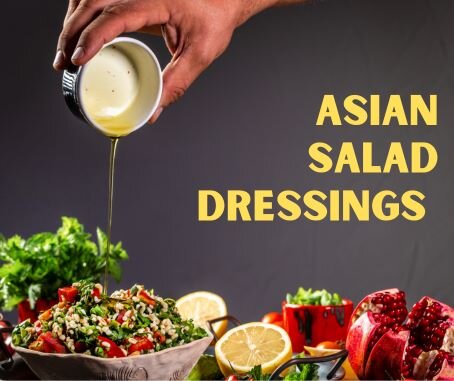
Today we will look at five unique Asian salad dressings that you can easily prepare at home and get new taste experiences . These recipes will help you enrich your kitchen with exotic flavors that you can enjoy with every meal. Let's discover together the world of Asian salad dressings and how they can change your favorite salads !

19.06.2024
Sesame oil is made from sesame seeds through pressing.
This process involves extracting the oil from the seeds using mechanical pressure, which allows all the nutrients and aromas to be preserved. After extraction, the oil is filtered and purified to remove impurities and maintain quality. This process ensures that the sesame oil has an intense aroma and taste.

03.06.2024
Rice noodles are a staple ingredient in many Asian cuisines, but in recent years they have also gained popularity among gourmets around the world.
You can find a wide selection of these noodles that offer a variety of flavors and textures, perfect for a variety of culinary creations. Whether you're a fan of Vietnamese soups, Thai salads or Chinese woks, choosing the right rice noodles can make a big difference in the outcome of your meal. In this article, we'll look at the different types of rice noodles, where to find them, and prices and quality to help you find the best ones for your kitchen. Plus, we'll offer preparation tips and recipes to help you get the most out of these versatile ingredients.

30.05.2024
Soy sauce is an integral part of Asian cuisine and its popularity has spread throughout the world.
This fermented product of soybeans, wheat, salt and water has a rich history and a wide variety of variations, each with its own unique properties and uses. Let's look at some of the most famous types of soy sauce, what they are used for and in which traditional dishes we can find them.
27.05.2024
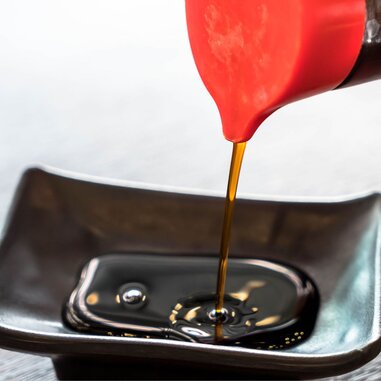
Soy sauce is a staple condiment in Asian cuisine. Different types differ in taste, color, and use.
In the article you will find out which soy sauce to use for sushi, wok, marinades, rice or soups and what to look out for when choosing.
20.05.2024
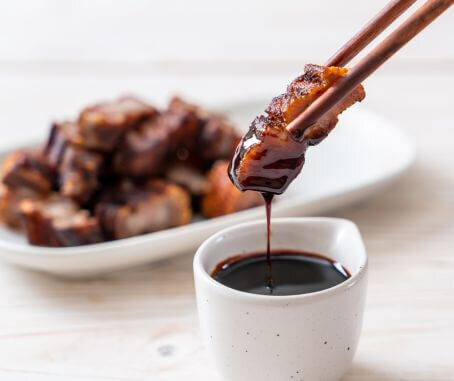
Hoisin sauce is a thick and sweet-spicy sauce originating in China.
It contains basic ingredients such as soy sauce, garlic, pepper and sugar. This sauce is often used to season dishes in Asian cuisine and brings a distinctive taste with subtle caramel notes.
24.04.2024
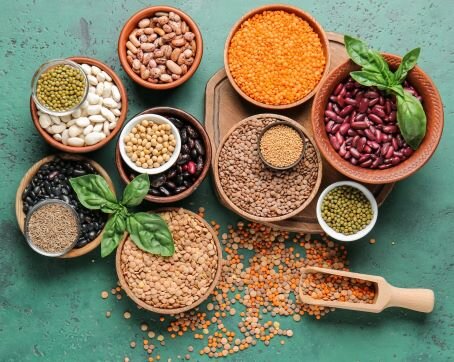
Why is it important to understand food, especially Asian food?
Food is an essential part of our lives. They are a source of energy, nutrients and basic building blocks that our body needs to maintain life and health.
Understanding foods and their impact on our bodies is therefore key to achieving a healthy lifestyle and overall well-being. Here are some reasons why paying attention to food knowledge is important:
Tofu is a popular product made from white soybeans, which is usually made by curdling soy milk into a white fermented mass.
Tofu has a soft texture and neutral taste, which makes it a sought-after ingredient in many recipes. It is produced in a variety of ways, including pickling, fermentation and pressing, which creates different types of tofu with different flavors and consistencies. Tofu is also rich in protein and is a common choice for vegetarian and vegan dishes.
Explore Asian Cooking, Culture & Curiosities
Explore Asian Flavors, Culture & Food Wisdom
The Foodland Blog brings you authentic recipes, cooking tricks, and fascinating insights into Asian culture and ingredients.
Discover more than recipes
From curious facts about Asian food to seasonal tips and traditions, we invite you to learn, cook, and explore with Foodland.
 ⭐ NajNakup.sk • 98% of customers recommend FOODLAND
Latest 30 reviews from NajNakup.sk • 6,072 reviews in total • Updated: 22.08.2026
Come to visit us!
In our shop you will find not only the necessary dry foods, drinks, favorite delicacies, necessary ingredients for cooking but also fresh herbs, vegetables and fruits, quality frozen shrimp, squid, fish ... your favorite recipes that you want to try to cook at home and remember pleasant experiences from trips to Asia.
ContactOpening Hours
| Monday - Friday | 8:00 - 18:00 |
| Saturday | 9:00 - 20:00 |
| Sunday | 9:00 - 15:00 |
🏷️ Popular brands














Logo