




























Indonesian Cuisine: An Island of Flavors and Aromas from Java, Bali and Sumatra
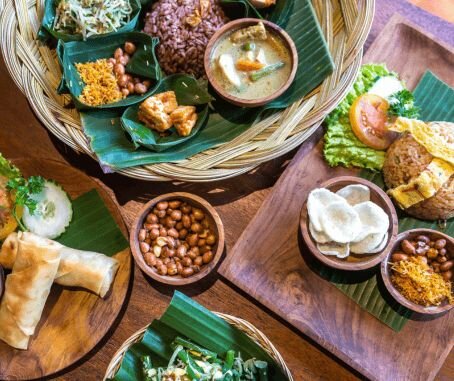
Discover the flavors of Indonesia through Java, Bali, and Sumatra. Each of these islands has its own ingredients, spices, and traditional dishes—from the sweeter flavors of Java to the aromatic specialties of Bali and the distinctive rendang of Sumatra.
Indonesia is an archipelago with an extremely diverse cuisine. Java, Bali and Sumatra show how significantly tastes, spices and traditional dishes can vary within a single country.
Indonesia doesn't have just one flavor
Centuries of trade, migration, and local traditions have brought Chinese, Indian, Arab, and later European influences to Indonesian cooking, but these have blended with local ingredients and practices in different ways in each region.
That's why a dish prepared in Java can have a completely different character than a dish from Bali or Sumatra. In some places, sweet soy sauce comes to the fore, in others, fresh aromatic spices, chili, coconut milk or long-cooked spicy sauces.
Swipe to the side →
From sweeter tones to dark rawon
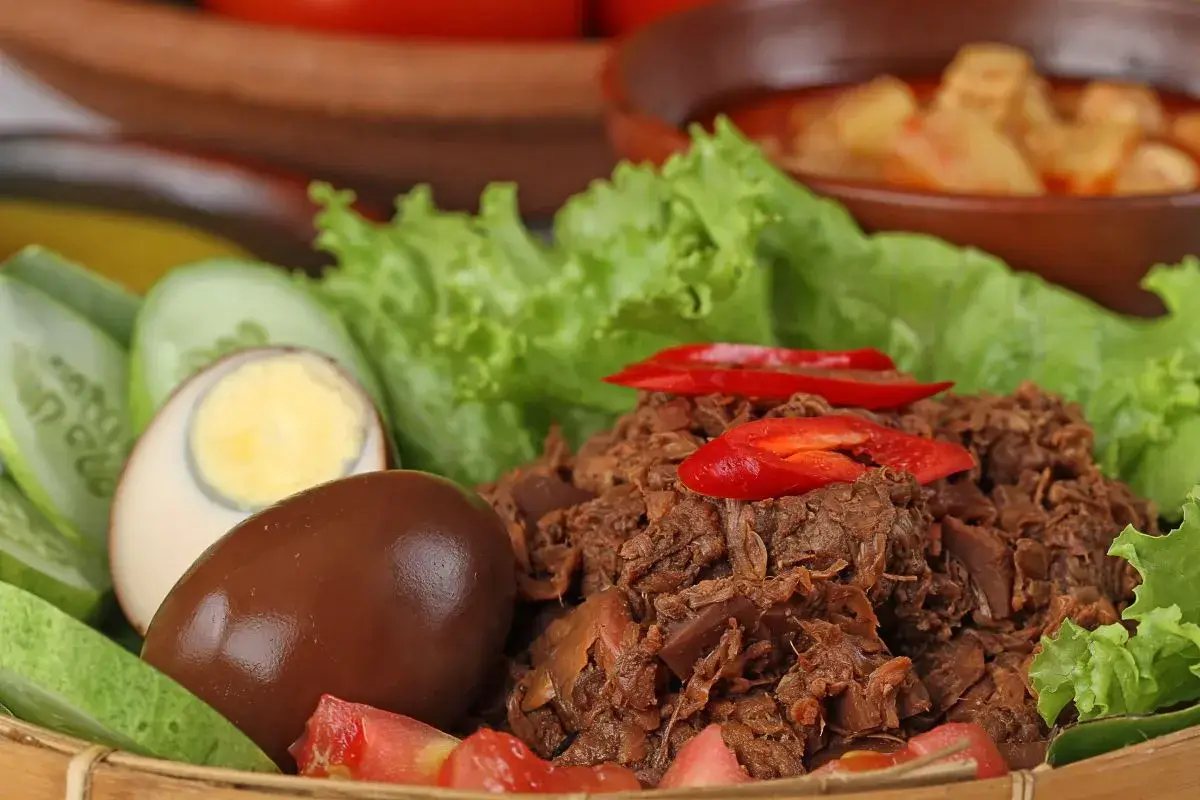
A huge island with a variety of regional cuisines – from gudeg from Yogyakarta to soto to the distinctive rawon from East Java.
Aromatic spices and grilling
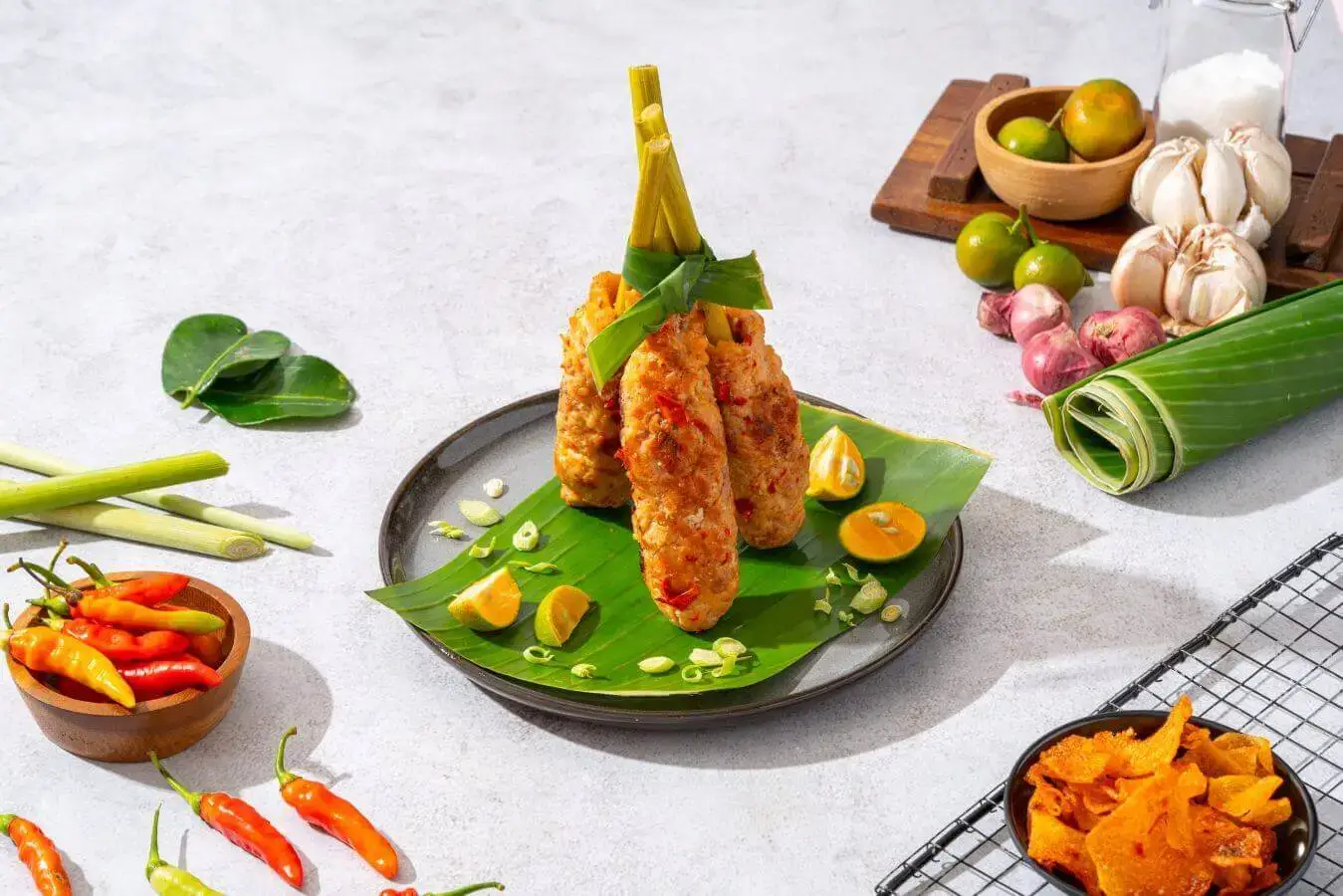
Sate lilit, ayam betutu, sambal matah and babi guling show the distinctive character of Balinese cuisine.
Chilli, coconut and slow cooking
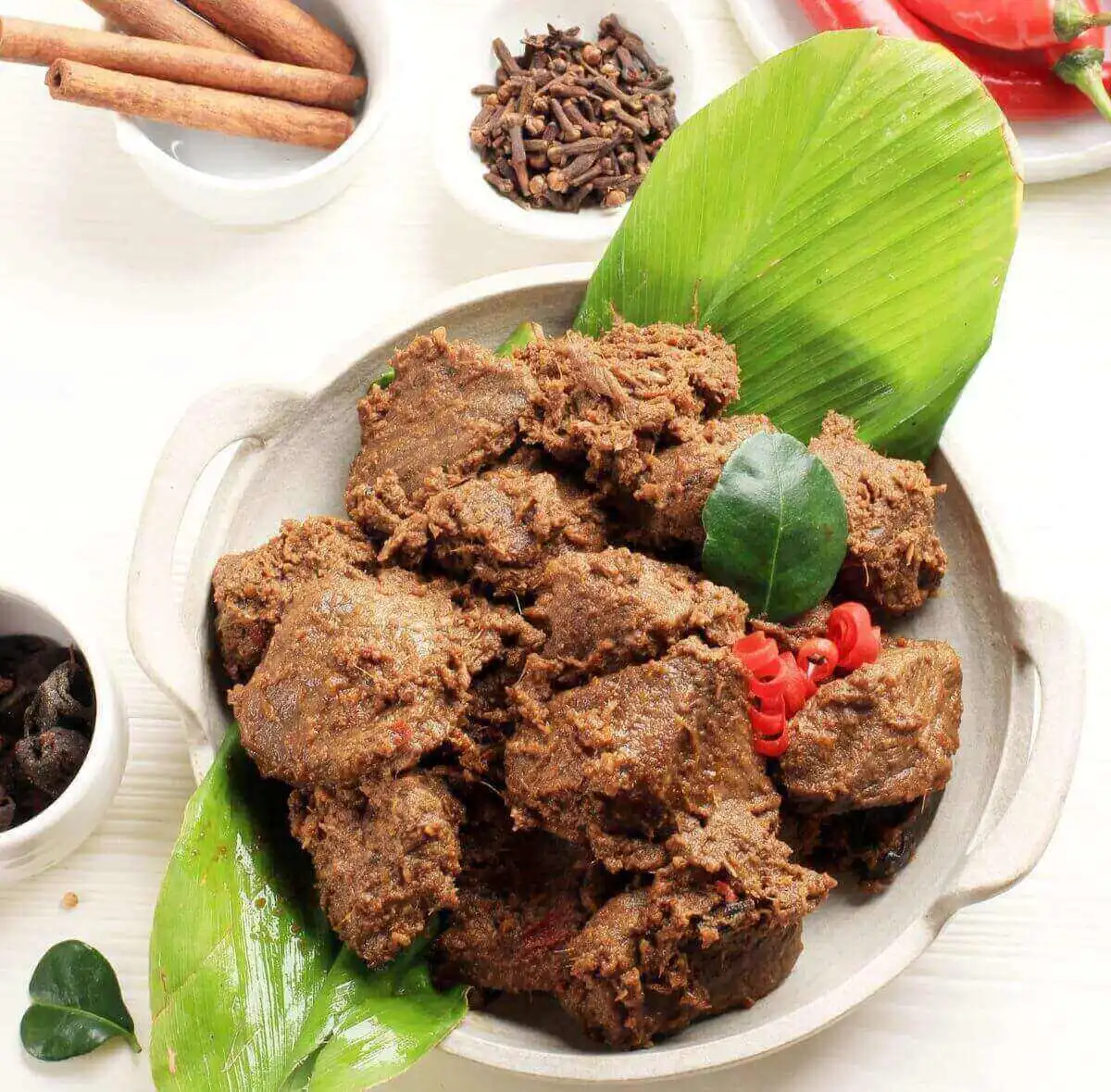
In particular, Minangkabau cuisine from West Sumatra is known for its intense spices, coconut milk, and dishes like rendang.
Dishes that all of Indonesia knows
Not all famous Indonesian dishes belong to just one island. Many are prepared all over the country, and regional variations are part of their character.
Fried rice with aromatic ingredients, egg, and various types of meat, vegetables, or seafood. It is often characterized by sweet soy sauce, kecap manis.
Fried noodles, the specific form of which varies by region and household. Sweet-salty and spicy flavors are among the common versions.
Grilled skewers come in many forms in Indonesia. Peanut sauce is common, but not the rule – Bali, for example, has its own sate lilit.
A mixture of vegetables, tofu, tempeh or egg topped with a rich peanut sauce. There are various local variations.
Not one specific soup, but a wide family of regional soups. The most famous is chicken soto ayam.
Java: one island, many different flavors
It would be too simplistic to talk about a single “Javanese flavor.” Java itself has several distinct regional cuisines. In Yogyakarta and parts of Central Java, you can find sweeter flavor profiles, while East Java also offers very distinctive, savory, and spicy dishes.
One of the symbols of Yogyakarta is gudeg – young jackfruit slowly cooked with coconut milk, palm sugar and spices. In the east of the island, rawon is famous, a beef soup with a characteristically dark color given to it by kluwek.
Soto also has several local variations in Java. An example is Soto Lamongan from East Java. Nasi Goreng and Mie Goreng are also commonly prepared here, but they are not dishes that are exclusively Javanese.
Bali: grill, fresh aromas and its own spice traditions
Balinese cuisine has its own identity and is not just an island version of dishes from the rest of Indonesia. Aromatic spice blends, fresh herbs, chilies, coconut, grilling and slow cooking are typical.
A great example is sate lilit . Unlike the classic pieces of meat skewered on a skewer, finely chopped or minced meat or fish is seasoned with spices and wrapped around a bamboo stick or lemongrass stalk.
Other Balinese specialties include ayam betutu , a long-cooked spicy chicken, and babi guling , a spicy roast pork. Pork specialties are a more visible part of traditional cuisine in Bali than in many other areas of Indonesia.
Sambal matah – a fresh Balinese sambal with chili, shallots, lemongrass and other aromatic ingredients – is often served with the dishes.
Sumatra: intense spices and famous rendang
Sumatra also has a number of regional cuisines. The most internationally known is the Minangkabau culinary tradition from West Sumatra, in which chili, coconut milk and aromatic spices play an important role.
Its icon is rendang . The meat is slowly cooked with coconut milk and spices until the liquid is gradually reduced and the flavors are significantly concentrated. The result is not a classic curry with a lot of sauce, but intensely flavored meat with a thick, almost dry spice layer.
West Sumatran recipes often feature chilies, galangal, lemongrass, ginger, turmeric, and other aromatic ingredients, although the exact combinations and proportions vary depending on the recipe and family tradition.
Ingredients worth knowing in Indonesian cooking
Individual islands use ingredients differently, but several flavors appear repeatedly in Indonesian recipes.
Sweet chili sauce
A thick, sweet soy sauce that adds a sweet-salty flavor and darker color to rice, noodles, marinades, and grilled dishes.
Kecap Manis in Foodland →Sambal
Sambal is not one specific sauce, but a broad group of chili seasonings. They can be simple or intensely aromatic, and each region has its own version.
Sambal Oelek in Foodland →Coconut milk
It is used in stews, sauces and desserts. In rendang, it gradually reduces during long cooking and contributes to the rich flavor of the dish.
Coconut milk and creams →Galangal
An aromatic rhizome with spicy and citrus notes. It is not identical to ginger, although the two ingredients look similar at first glance.
Fresh galangal →Lemongrass
It adds a fresh citrus aroma to dishes and is used in spice pastes, marinades, soups, and slow-cooked dishes.
Fresh lemongrass →Terrace
A fermented shrimp paste used in some sambals, nasi goreng, and other recipes. It has a concentrated flavor, so it is usually used in small amounts.
Ingredients for Indonesian cooking at home
Kecap manis, sambal, coconut milk and fresh aromatic ingredients form the basis for a number of Indonesian recipes.

Chili paste Sambal Oelek Extra hot CHI CHI 375 g
Fresh galangal 200 g
Fresh lemon grass 200g
Try Indonesian flavors at home
If you want to start with a specific dish, you can already find three suitable options in Foodland recipes - quick fried rice, noodles, and slow-cooked rendang.
Fried Rice
Indonesian fried rice with egg, aromatic ingredients and sweet soy sauce kecap manis.
Open recipe →Fried Noodles
Roasted noodles with a sweet, salty and spicy flavor that you can customize with vegetables and various protein sources.
Open recipe →Rendang
Beef slowly cooked with coconut milk and aromatic spices until the flavors are significantly concentrated.
Open recipe →Three islands, much more than three flavors
Java, Bali and Sumatra only show a small part of Indonesia's vast culinary diversity. That's why it's worth looking at Indonesian cuisine through specific regions and dishes, rather than as one unified tradition. Nasi goreng, sate or soto can be found across the country, but their recipes can vary according to local ingredients, customs and tastes.
Discover more recipes from Asia


Add new comment:
Add reply to comment: