



























Soy Sauce
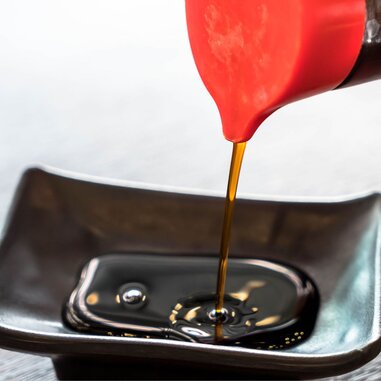
Soy sauce is a staple condiment in Asian cuisine. Different types differ in taste, color, and use.
In the article you will find out which soy sauce to use for sushi, wok, marinades, rice or soups and what to look out for when choosing.
The history of soy sauce
Soy sauce is an ancient condiment that originated in China nearly 3,000 years ago. This sauce gradually reached Japan and became an important part of Japanese cuisine. Nowadays, soy sauce is widely used around the world in a number of dishes as a basic seasoning element.
 Production of soy sauce
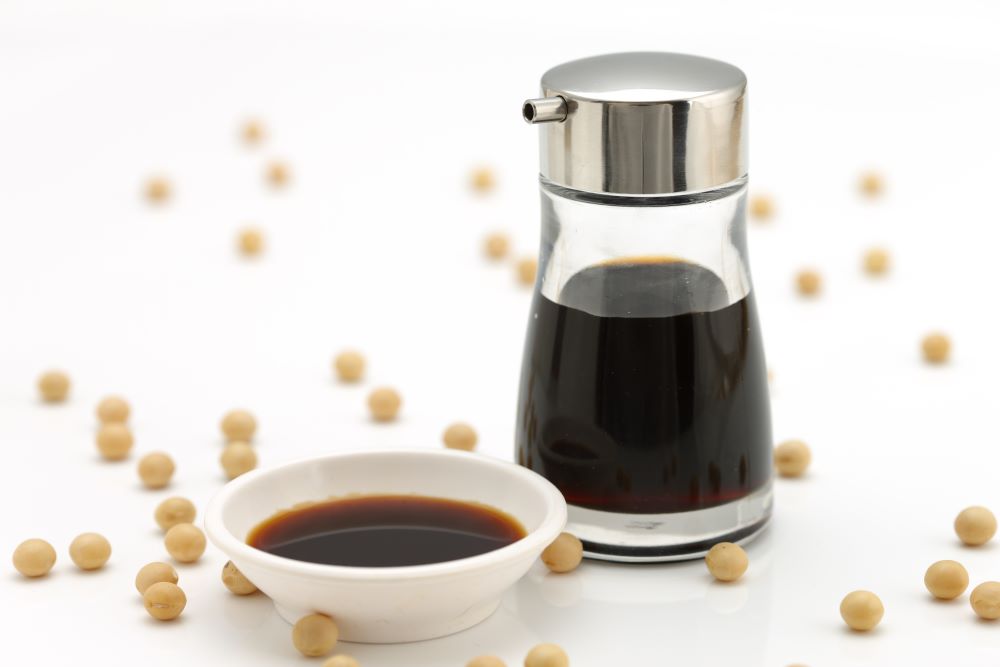
Making soy sauce is a complex process that involves the fermentation of soybeans, wheat, water and salt. After mixing these ingredients, the mixture is left to ferment for several months. After fermentation is complete, the obtained liquid is filtered and pasteurized. This traditional process gives soy sauce its characteristic taste and aroma, which make it an irreplaceable addition to the perfect sushi.
Types of soy sauce 
There are currently two main types of soy sauce: tamari and shoyu . Tamari is originally a Japanese soy sauce that is gluten-free and has a deeper, richer flavor profile. Shoyu is a classic Japanese soy sauce to which wheat is added, giving it a milder taste. Each of these types has its own unique characteristics and taste that affect the end result of your sushi dishes.
Differences between ordinary and high-quality soy sauce
Quality soy sauce is made from better ingredients and has a more intense flavor than regular soy sauce. Quality soy sauce usually has less salt and no artificial additives, making it a healthier choice. On the contrary, regular soy sauce may contain more salt and various additives to improve the taste. So we know the big difference in the quality of taste between ordinary and high-quality soy sauce.
 Applications of soy sauce in various cuisines
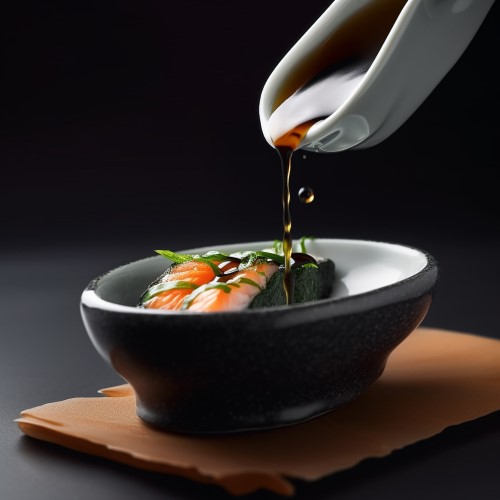
In various cuisines, soy sauce is used to flavor various dishes. In Asian cuisine, it is often used in the preparation of sushi, meat, vegetables and rice. It is also often found in Indian dishes, often along with spices and herbs. In Mediterranean cuisine, soy sauce is usually used in combination with olive oil and herbs to create a delicious flavor. Soy sauce is highly versatile and can be adapted to different tastes as needed.
The effect of soy sauce on food
Soy sauce can have a big impact on the taste of your food. It contains a powerful combination of salty and rich flavor that can enhance and enliven various ingredients. When choosing soy sauce, it is important to look not only at the price, but also at the quality. Some soy sauces may be too salty or contain artificial ingredients that could affect your food. Be careful when choosing soy sauce and try to find the right one for your dishes.
Health benefits of soy sauce
Soy sauce has many health benefits. It contains antioxidants that protect the body from free radicals. These substances can help reduce the risk of heart disease and even some types of cancer. Soy sauce also contains vitamins and minerals such as iron, calcium and potassium that are important for health. However, be careful about the amount you consume, as soy sauce is high in sodium.
Possible substitutes for soy sauce
Soy sauce is an essential part of eating sushi, but if you miss it, there are possible substitutes. Some alternatives include coconut amino sauce, soy-free soy sauce, fish sauce , or dark seed soy sauce. Each of these options has its own unique flavors and can be suitable for preparing different sushi dishes.
Culinary tips for using soy sauce 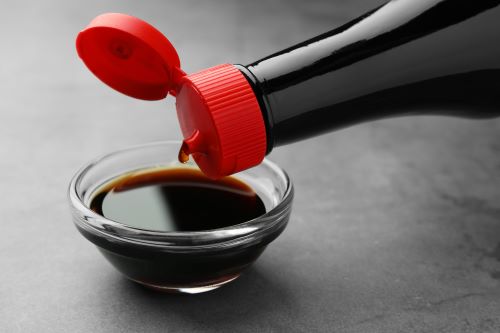
In the kitchen, it is important to know how to use soy sauce correctly in order to get an authentic taste. Here are some culinary tips for working with soy sauce:
- Choose the right type : There are different types of soy sauce, such as light , dark , or sweet . Each type serves a different purpose, so choose the one that best matches your dishes.
- Quantity is key : Soy sauce is quite strong, so be sure to add it gradually and taste until you get the desired flavor.
- Experiment with combinations : You can combine soy sauce with different ingredients, such as honey, garlic or ginger, for a unique flavor in your dishes.
With this simple modification, you can properly use soy sauce to enhance your kitchen creations.
Conclusion: The secret to perfect soy sauce
To achieve perfect sushi, it is important to choose the right soy sauce. In general, tamari soy sauce is recommended for those with gluten intolerance. If you prefer a more intense taste, shoyu soy sauce should be your choice. Do not forget that high-quality soy sauce is a decisive factor for the perfect taste of your sushi.



Add new comment:
Add reply to comment: