




























Jasmine Rice: The Fragrant Queen of the Kitchen
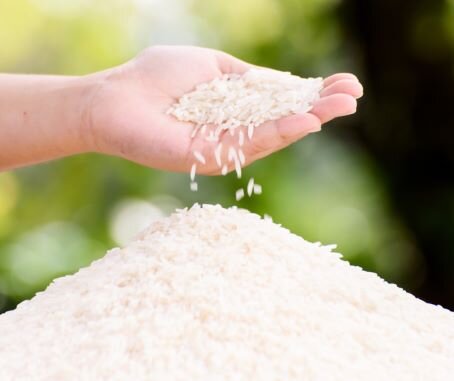
Jasmine rice, renowned for its delicate, floral aroma and soft, sticky texture, is a staple in many Asian cuisines. Originating from Thailand, this rice variety is an essential component of Thai dishes. Named after the jasmine flower due to its scent, jasmine rice is beloved worldwide for its unique taste and fragrance. In this article, we'll explore its characteristics, benefits, and offer a few simple and delicious recipes.
Characteristics of Jasmine Rice
- Aromatic Fragrance: Jasmine rice has a subtle, sweet aroma reminiscent of jasmine flowers. This fragrance comes from a natural compound called 2-acetyl-1-pyrroline.
- Texture: When cooked, it is soft and slightly sticky, making it ideal for various Asian dishes. Its adaptable texture means jasmine rice can be served as a side, a base for main dishes, or even as part of a dessert.
- Nutritional Value: Jasmine rice contains more vitamins and minerals than regular white rice, especially in its whole grain (brown) form. It is rich in carbohydrates, low in fat, and provides a moderate amount of protein.
- Origin: It is mainly grown in Thailand, Cambodia, and Vietnam. It is a significant export commodity of these countries and is prized worldwide for its high quality.
Benefits of Jasmine Rice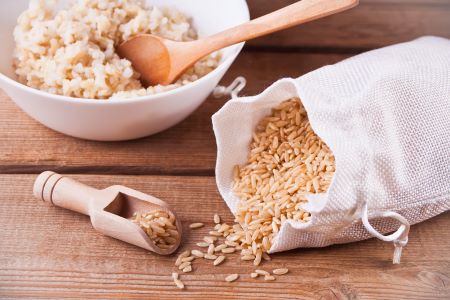
-
Health Benefits: Rich in carbohydrates, it is an excellent source of energy. Whole grain (brown) jasmine rice is also high in fiber, which aids digestion and reduces the risk of heart disease.
- Natural Aroma: Unlike some other rice varieties, jasmine rice does not require the addition of artificial flavors or additives, making it a naturally delicious and healthier choice.
- Easy Preparation: Jasmine rice is easy to prepare. Simply rinse it with water and cook in a 1:1.5 ratio with water, meaning one cup of rice to one and a half cups of water.
Simple and Delicious Recipes
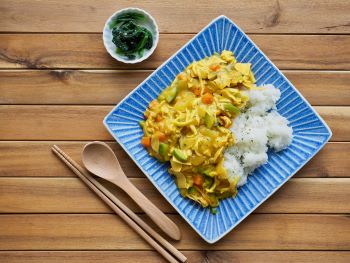 Thai Curry with Jasmine Rice
The combination of delicately scented jasmine rice and spicy Thai curry creates a harmonious and flavor-rich dish. Perfect for lunch or dinner, this meal is sure to delight your taste buds. You’ll need coconut milk, curry paste, chicken breasts, vegetables, and spices. Serve the curry over jasmine rice and garnish with fresh cilantro.
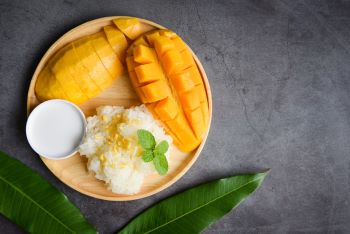 Jasmine Rice with Mango and Coconut Milk (Khao Niew Mamuang)
This sweet dessert combines fragrant jasmine rice with creamy coconut milk and sweet mango. It’s a refreshing and exotic dish, perfect for summer days. To prepare, cook the rice in coconut milk with sugar, then serve it with mango slices and sprinkle with sesame seeds.
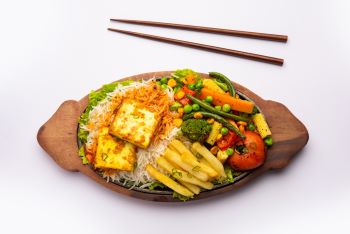 Jasmine Rice with Vegetables and Tofu
For those seeking a vegetarian option, jasmine rice with vegetables and tofu is an excellent choice. Simple to prepare and full of flavor, this dish is a popular option for a healthy and balanced lunch or dinner. You’ll need various vegetables like carrots, broccoli, and bell peppers, along with tofu. Sauté everything with onion and garlic, and season with soy sauce.
Conclusion
Jasmine rice is a versatile ingredient suitable for many dishes, whether you’re looking for something traditional or modern. Its unique aroma and texture make it a favorite choice for chefs around the world. It’s perfect as a side dish to meat, a base for various curries, or even as part of sweet desserts. Try one of our recipes and discover the magic of jasmine rice in your kitchen.



Add new comment:
Add reply to comment: