








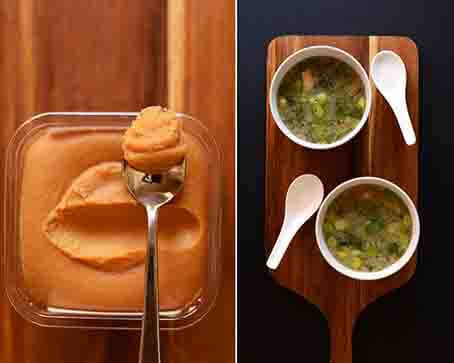
Shoyu, tamari and miso – three basic pillars of Japanese cuisine that are increasingly appearing in our homes. In this article, we will explain how they differ, how they are made, why they have beneficial effects on health and how to use them correctly – not only for taste, but also for the body.
- Intro
- Whole Our offer
 Sushi Essentials
 Instant soups
 Rice
 Noodles and Vermicelli
 Flour, starch & Rice paper
 Coating mixture, tempura & panko
 Spices and seasonings
 Sauces and Marinades
 Sweets and snacks
 Beverages
 Dried products
 Preserved Products
 Coconut products
 Healthy food
 Oil and butter
 Dairy and milk products
 Frozen food
 Fresh vegetables and fruits
 Package of ingredients
 Food supplements
 Decorations and gifts
 Incense sticks
 Kitchenware
 Gastro Packaging
 Ointments-medical oils-balms
 HORECA - For Hotels, restaurants, catering
- Sale
- Sushi
- Instant soups
- Ramen & noodles
- Snacks & Sweets
- Sauces
- Drinks
- Kitchenware
- Recipes
 Thai cuisine
 Vietnamese cuisine
- Vietnamese Beef Soup PHỞ BÒ
- Vietnamese chicken soup PHỞ GÀ
- Banh mi sandwich
- Nem cuốn
- Bún chả
- Bún bò Nam Bộ
- Vietnamese dipping sauce - Nước Chấm
- Bánh Giò - Vietnamese pyramid steamed dumplings
- Vietnamese Vegetable salad
- Fish sauce glazed pork belly
- Jellied Pork - (Thịt đông)
- Boiled jasmine rice
- Sesame ball Bánh rán
 Korean cuisine
 Japanese cuisine
 Chinese cuisine
 Indian cuisine
 Indonesian cuisine
 Malay cuisine
 Singapore cuisine
 Filipino cuisine
- Magazine
Foodland Magazine
29.03.2015
Read more...
22.03.2015
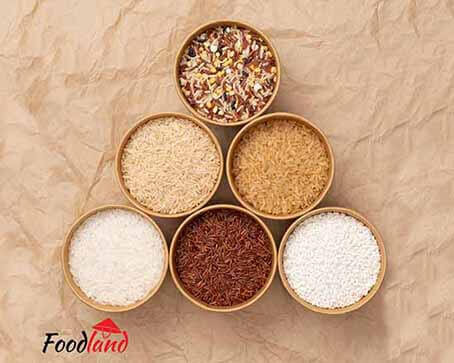
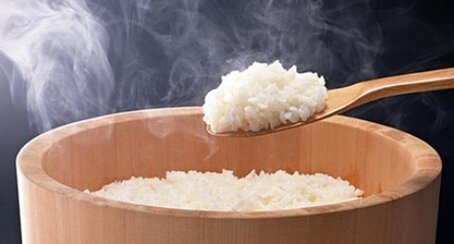
If you don't like rice, you may not have eaten it properly or you may have used the wrong type when cooking a particular meal.
The most valuable component of tiny grains are complex carbohydrates, from which up to 85 percent of energy comes. At the same time, rice has a low glycemic index (GI), which means that it does not disturb blood sugar levels. Naturally, it is exactly half on a scale of 0 to 100, white has a GI of 64. In addition, rice is rich in B vitamins and minerals and trace elements, especially phosphorus, potassium and iron.
It contains more high-quality plant proteins than wheat and does not contain gluten or fat, so you can eat it for celiac disease and cholesterol problems. Paddy rice has more nutrients than husked and milled rice and is high in fiber and antioxidants, which protect against colon, breast and prostate cancer.
16.03.2015
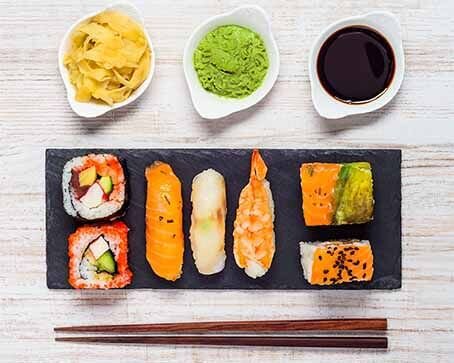
Sushi (japanese: 寿司,鮨,鮓,すし)
is a traditional Japanese food consisting of rice flavored with vinegar sauce and various raw or cooked ingredients.
The Japanese original meaning of the Japanese word sushi was light rice dish and this definition over time became more specific to mean a combination of vinegar flavored rice (japanese: 寿司飯,すしめし sushi meshi - sushi rice) with other ingredients(japanese literally: ねた neta - material).
The most known known ingredients to accompany the rice are raw fish such as salmon or tuna, fish roe, seafood such as shrimp, octopus, calamari or crab, as well as vegetables like cucumber, carrots, avocado, or even tofu, mushrooms or egg omelet.
Other than rice and fish or vegetables, a third ingredient is sometimes used, this being slices of the nori seaweed (japanese: 海苔,のり).
Sushi is also served with ginger, wasabi and soy sauce.
Small restaurants that specialize in sushi in Japan are called sushija (japanese: 寿司屋,寿司や).
11.03.2015
Great sushi starts with great rice. When choosing sushi rice, it is important to consider several factors that will affect the quality and taste of your sushi.
Remember that quality sushi rice is the basis for creating delicious and authentic sushi, so try to choose the best possible choice according to your preferences and availability.
Here are some things you should focus on:
08.01.2015
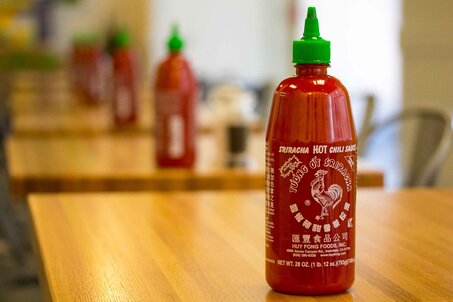
Already we can not imagine neither Asian bistros or restaurants without this famous sauce in the end there are a lot of knockoffs with a similar taste but there are only a few people who know the origins and creator of this now-legendary brand.
04.01.2015
Eat sushi with Master Naomichi Yasuda
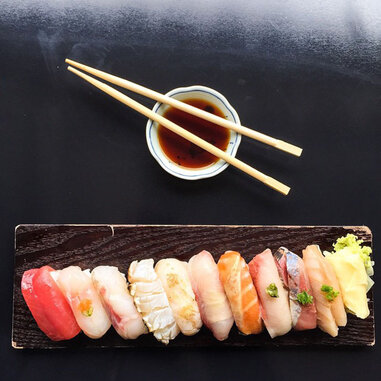
Directly from Tokyo's chef Naomichi Yasuda, Munch provides guidance on how to eat sushi. You were doing it wrong.
Remember:
- It is okay to eat sushi with only your hands
- Do not mix ginger and sushi or ginger and soy sauce. Ginger is supposed to be used to clear your palate between each portion.
- When dipping sushi in soy sauce, turn it with the fish facing downwards.
- Never shake the sauce off of sushi, it's likened to shaking your penis in public.
20.06.2024
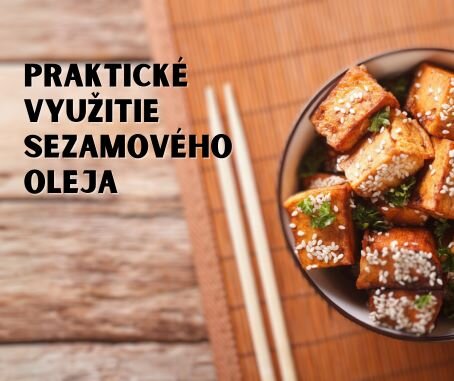
Sesame oil is a valuable ingredient in the kitchen, which every enthusiastic cook will appreciate.
This oil, obtained by pressing sesame seeds, is rich in nutrients and antioxidants, which makes it not only tasty, but also a healthy addition to your meals. Here are some practical ways to use sesame oil in your kitchen.
Explore Asian Cooking, Culture & Curiosities
Explore Asian Flavors, Culture & Food Wisdom
The Foodland Blog brings you authentic recipes, cooking tricks, and fascinating insights into Asian culture and ingredients.
Discover more than recipes
From curious facts about Asian food to seasonal tips and traditions, we invite you to learn, cook, and explore with Foodland.
 ⭐ NajNakup.sk • 98% of customers recommend FOODLAND
Latest 30 reviews from NajNakup.sk • 6,072 reviews in total • Updated: 22.08.2026
Come to visit us!
In our shop you will find not only the necessary dry foods, drinks, favorite delicacies, necessary ingredients for cooking but also fresh herbs, vegetables and fruits, quality frozen shrimp, squid, fish ... your favorite recipes that you want to try to cook at home and remember pleasant experiences from trips to Asia.
ContactOpening Hours
| Monday - Friday | 8:00 - 18:00 |
| Saturday | 9:00 - 20:00 |
| Sunday | 9:00 - 15:00 |
🏷️ Popular brands














Logo