








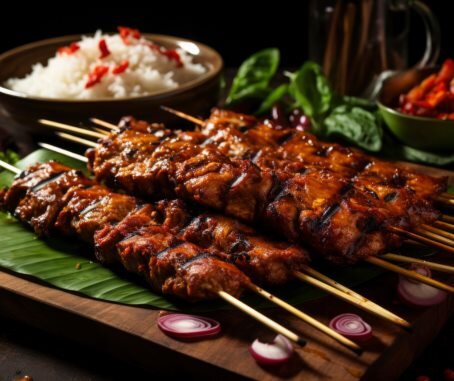
Asian BBQ introduces extraordinary flavors, unique techniques, and unforgettable experiences to the world of grilling. Join us on a journey to explore exotic culinary traditions and discover why Asian BBQ has captured the hearts of food lovers worldwide. Have you ever tried Thai satay, Japanese yakitori, or Chinese hoisin ribs? If not, it’s time to change that!
- Intro
- Whole Our offer
 Sushi Essentials
 Instant soups
 Rice
 Noodles and Vermicelli
 Flour, starch & Rice paper
 Coating mixture, tempura & panko
 Spices and seasonings
 Sauces and Marinades
 Sweets and snacks
 Beverages
 Dried products
 Preserved Products
 Coconut products
 Healthy food
 Oil and butter
 Dairy and milk products
 Frozen food
 Fresh vegetables and fruits
 Package of ingredients
 Food supplements
 Decorations and gifts
 Incense sticks
 Kitchenware
 Gastro Packaging
 Ointments-medical oils-balms
 HORECA - For Hotels, restaurants, catering
- Sale
- Sushi
- Instant soups
- Ramen & noodles
- Snacks & Sweets
- Sauces
- Drinks
- Kitchenware
- Recipes
 Thai cuisine
 Vietnamese cuisine
- Vietnamese Beef Soup PHỞ BÒ
- Vietnamese chicken soup PHỞ GÀ
- Banh mi sandwich
- Nem cuốn
- Bún chả
- Bún bò Nam Bộ
- Vietnamese dipping sauce - Nước Chấm
- Bánh Giò - Vietnamese pyramid steamed dumplings
- Vietnamese Vegetable salad
- Fish sauce glazed pork belly
- Jellied Pork - (Thịt đông)
- Boiled jasmine rice
- Sesame ball Bánh rán
 Korean cuisine
 Japanese cuisine
 Chinese cuisine
 Indian cuisine
 Indonesian cuisine
 Malay cuisine
 Singapore cuisine
 Filipino cuisine
- Magazine
Foodland Magazine
16.12.2024
Read more...
09.12.2024
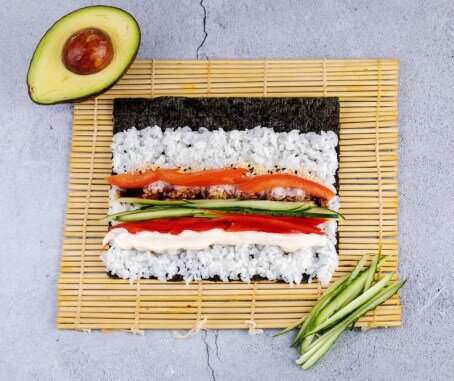
Making sushi at home is not only fun but also an opportunity to unleash your creativity. With the right techniques and tools, such as a sushi mat, you can craft professional-quality rolls in your own kitchen. This step-by-step guide will show you how to do it!
01.12.2024
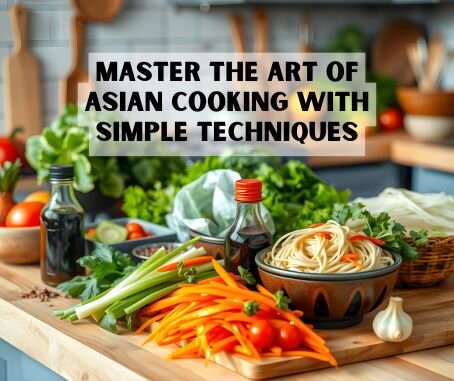
In today’s busy world, cooking can often feel like a challenge. However, Asian cuisine offers numerous techniques that make the process both simple and exciting. Let’s explore some effective tricks that will help you become a master of Asian cooking.
27.11.2024
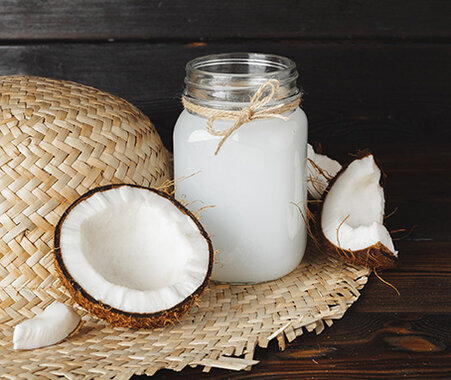
Coconut oil
is one of the few foods that can be classified as a "superfood". Its unique combination of fatty acids has a positive effect on your health. Coconut oil is obtained by pressing or extracting the pulp of ripe coconuts collected from the coconut palm at a melting temperature of 23 to 26 degrees.
Coconut oil has won a leading position in the world of active living people who are more and more interested in their health. See 101 effects of this white miracle!
24.11.2024
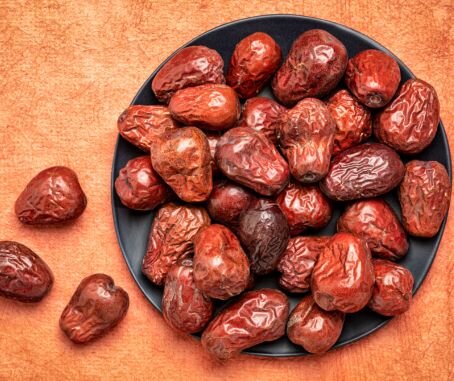
Jujube (Ziziphus jujuba) is a fruit native to China, where it has been cultivated for over 4,000 years. Often referred to as Chinese, red, or Korean dates, it is now grown worldwide, including in the Middle East, North Africa, Europe, and North America. This fruit is rich in vitamin C, flavonoids, saponins, and other bioactive compounds, making it exceptionally valuable for health.
When ripe, jujube tastes like an apple and is most commonly consumed dried, as tea, or in powdered form. Below are the five most significant health benefits supported by scientific research.

18.11.2024
Discover the secrets of Asian cooking oils Asian cooking oils are the key to the unique taste and health of your dishes. From sesame oil with its distinctive nutty flavor to versatile rice oil, each one offers something special. This article will guide you through the world of these oils, their uses in the kitchen and the health benefits that can enrich your life. Find out why they deserve a place in your kitchen, whether you are cooking Asian specialties or looking for new ways to increase the quality and taste of your favorite dishes.
11.11.2024
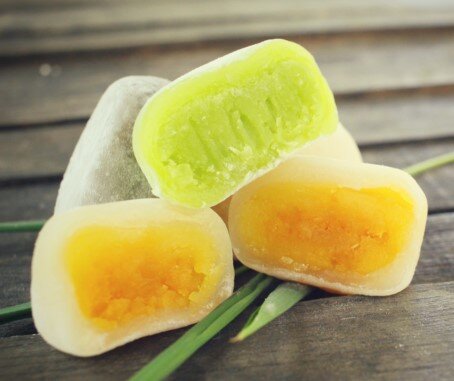
Mochi, a traditional Japanese treat, has become a favorite among dessert lovers worldwide. But how long can it be stored to maintain its optimal taste and texture? This guide will explore how to store mochi properly and what factors influence its freshness.
04.11.2024
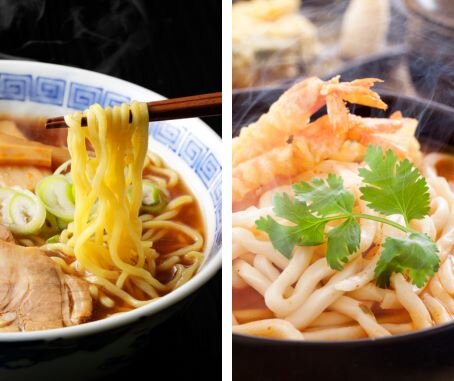
Udon and ramen noodles are among the most beloved staples in Japanese cuisine, admired by food lovers worldwide. Though they may look similar at first glance, each noodle type boasts its unique texture, flavor, and preparation methods, giving them a distinctive character. In this article, we explore what sets udon and ramen noodles apart and why they hold a special place in Japanese culinary traditions. Discover which one might be your favorite and get ready for a taste adventure in Japanese cuisine!

28.10.2024
Explore the selection of essential Asian cooking oils that bring authentic flavors from Asia straight to your kitchen. From sesame to coconut oil, each variety offers unique benefits and aromas to enhance your favorite dishes.
Explore Asian Cooking, Culture & Curiosities
Explore Asian Flavors, Culture & Food Wisdom
The Foodland Blog brings you authentic recipes, cooking tricks, and fascinating insights into Asian culture and ingredients.
Discover more than recipes
From curious facts about Asian food to seasonal tips and traditions, we invite you to learn, cook, and explore with Foodland.
 ⭐ NajNakup.sk • 98% of customers recommend FOODLAND
Latest 30 reviews from NajNakup.sk • 6,072 reviews in total • Updated: 22.08.2026
Come to visit us!
In our shop you will find not only the necessary dry foods, drinks, favorite delicacies, necessary ingredients for cooking but also fresh herbs, vegetables and fruits, quality frozen shrimp, squid, fish ... your favorite recipes that you want to try to cook at home and remember pleasant experiences from trips to Asia.
ContactOpening Hours
| Monday - Friday | 8:00 - 18:00 |
| Saturday | 9:00 - 20:00 |
| Sunday | 9:00 - 15:00 |
🏷️ Popular brands














Logo