



























What’s the Difference Between Udon and Ramen Noodles?

Udon and ramen noodles are among the most beloved staples in Japanese cuisine, admired by food lovers worldwide. Though they may look similar at first glance, each noodle type boasts its unique texture, flavor, and preparation methods, giving them a distinctive character. In this article, we explore what sets udon and ramen noodles apart and why they hold a special place in Japanese culinary traditions. Discover which one might be your favorite and get ready for a taste adventure in Japanese cuisine!
What are Udon Noodles?
Udon noodles are thick, smooth noodles originating from Japan, made with wheat flour, salt, and water. Known for their soft yet chewy texture, these noodles absorb flavors well, offering a rich and satisfying taste. They are often served in a warm broth or miso soup, providing an authentic Japanese culinary experience.
History and Regional Specialties of Udon:
Udon noodles have been enjoyed in Japan for centuries, with each region boasting its unique twist on the dish. One famous type is the Sanuki udon from Kagawa Prefecture, celebrated for its chewy texture. Today, udon is popular worldwide, inspiring culinary creativity across the globe.

What are Ramen Noodles?
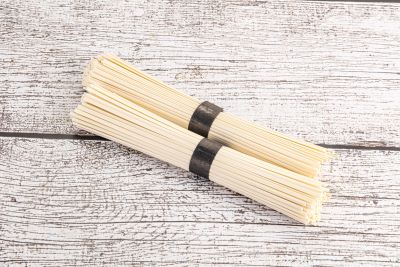
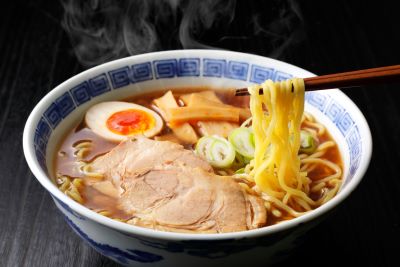
Ramen noodles are thin, springy wheat noodles distinguished by their slightly salty taste, achieved through the use of alkaline water. They are a staple in various Japanese soups, each with unique regional flavors – from miso ramen in Hokkaido to shoyu ramen in Tokyo.
Special Characteristics of Ramen Noodles:
In regions like Hokkaido, ramen is made with miso paste and a thick broth, while other areas favor thinner noodles in lighter broths. This variety brings a diverse taste profile to ramen, each version delivering a unique culinary experience.
Key Differences Between Udon and Ramen Noodles:
- Width and Texture: Udon noodles are thicker with a smooth, soft texture, while ramen noodles are thin and springy.
- Flavor: Udon noodles have a milder taste, whereas ramen noodles carry a stronger, saltier flavor due to alkaline water.
- Usage and Serving Style: Udon is often served in light, warm broths, whereas ramen is typically featured in richer, more complex soups.
- Regional Variations: Udon is versatile yet simpler, while ramen has regional variations that highlight different flavor combinations and broths.
Conclusion:
Recognizing the differences between udon and ramen noodles can help you choose the dish that best suits your taste. We encourage you to try both and discover the unique qualities each offers. Which do you prefer – udon or ramen? Share your thoughts with us and continue exploring the world of Japanese flavors!



Add new comment:
Add reply to comment: