



























Japanese specialties: shoyu, tamari and miso.
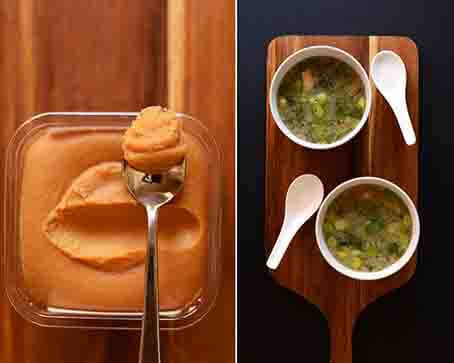
Shoyu, tamari and miso – three basic pillars of Japanese cuisine that are increasingly appearing in our homes. In this article, we will explain how they differ, how they are made, why they have beneficial effects on health and how to use them correctly – not only for taste, but also for the body.
Shoyu, tamari and their differences
Recently, there has been a lot of talk about shoyu , tamari , and miso, not only as seasonings and cooking ingredients, but also for their beneficial effects on human health.
Shoyu and tamari are two traditional Japanese soy sauces. Shoyu is made by fermenting a mixture of crushed soybeans, roasted wheat, a fermenting agent ( Aspergillus oryzae ) and water. During the long process of natural fermentation, the difficult-to-digest soy proteins, starches and fats are converted into easily digestible amino acids, simple sugars and fatty acids. This process also preserves many important substances that have a beneficial effect on the human body.
Tamari, unlike shoyu, is made mostly from soybeans, often as a by-product of miso production. It contains no wheat and is therefore naturally gluten-free. It has a more intense flavor, higher protein content and a less sweet profile. Tamari is about three times more concentrated than regular shoyu sauce, which means you only need a small amount to flavor your dishes.
It is important to note that not all soy sauces on the market are created equal . Some commercially produced sauces are not the result of natural fermentation, but rather chemical hydrolysis. While this industrial method of production is faster and cheaper, the resulting product may have lower nutritional value and lack the beneficial properties of traditionally fermented sauces, such as probiotics and bioactive compounds.
Use in the kitchen
Both shoyu and tamari are versatile condiments. They add a natural freshness and delicate flavor to almost any dish – including fish, grains, vegetables, soups, sauces and salads. Amino acids stimulate the taste buds and provide a rich flavor boost to meatless dishes. Glutamic acid (a natural form of monosodium glutamate) contributes to enhancing the flavor, making these sauces ideal for marinating or fermenting.
When cooking, it is recommended to add soy sauce just before the end of cooking - a short heat treatment will enhance the taste of the food, while a long cooking can reduce its delicate aromatic properties. A little sea salt can also be added to soups, sautés or sauces at the beginning of cooking - this will enhance the natural taste of the other ingredients. Soy sauce can also be used directly before serving or as a table condiment. After opening, the bottle should be tightly closed and stored in a dark and cool place.
Miso – more than just soup
Miso is a fermented paste made from soybeans, salt, a leavening agent, and often a type of grain (such as rice or barley). It is known for its high content of enzymes, vitamins, minerals, essential amino acids, and is naturally low in fat and calories. Regular consumption of miso can support digestion, lower cholesterol, and help the body cope with the burden of toxins and environmental pollution.
The most common types of bowl:
-
Genmai miso – made from brown rice and soybeans, naturally gluten-free.
-
Mugi miso – made from barley and soybeans, more intense flavor, darker color.
-
Shiro miso – made from white rice, light and mild, with the lowest salt content.
-
Hatcho miso – made exclusively from soybeans, fermented for a longer period, with a distinctive flavor.
Miso is used mainly in the preparation of soups, sauces, marinades, spreads, and fish and seaweed dishes. When cooking, it is advisable to add miso just before cooking - ideally 2-3 minutes before the end, so as not to destroy valuable enzymes and microorganisms.
Warning: Although miso has many beneficial effects, it is not suitable for everyone . People with an intolerance to fermented foods, histamine sensitivity, or who need to limit their salt intake (for example, high blood pressure) should consult a doctor or nutritionist before consuming it. Miso is a relatively salty food.
Sources and professional references :
-
Shurtleff, W., & Aoyagi, A. (2012). History of Soy Sauce (160 CE to 2012) . Soyinfo Center.
-
Watanabe, F., & Bito, T. (2018). Vitamin B12 sources and bioavailability. Experimental Biology and Medicine, 243 (2), 148–158.
-
Healthline – What Is Miso and Is It Good for You?
-
Japan Center – Guide to Miso
-
WebMD - Soy Sauce: Health Benefits, Risks, and Nutrition Facts

















Add new comment:
Add reply to comment: