







In our Foodland blog, we share with you all the tips and tricks.There are several categories: How to do it, herbs and their effects, how to eat, about spices, you should know. In the blog section you will find topics related to the correct use of chopsticks, how to eat sushi properly, the effectiveness of various herbs or the use of rice paper, you will find it all in this section full of information. Enjoy reading.
- Intro
- Whole Our offer
 Sushi Essentials
 Instant soups
 Rice
 Noodles and Vermicelli
 Flour, starch & Rice paper
 Coating mixture, tempura & panko
 Spices and seasonings
 Sauces and Marinades
 Sweets and snacks
 Beverages
 Dried products
 Preserved Products
 Coconut products
 Healthy food
 Oil and butter
 Dairy and milk products
 Frozen food
 Fresh vegetables and fruits
 Package of ingredients
 Food supplements
 Decorations and gifts
 Incense sticks
 Kitchenware
 Gastro Packaging
 Ointments-medical oils-balms
 HORECA - For Hotels, restaurants, catering
- Sale
- Sushi
- Instant soups
- Ramen & noodles
- Snacks & Sweets
- Sauces
- Drinks
- Kitchenware
- Recipes
 Thai cuisine
 Vietnamese cuisine
- Vietnamese Beef Soup PHỞ BÒ
- Vietnamese chicken soup PHỞ GÀ
- Banh mi sandwich
- Nem cuốn
- Bún chả
- Bún bò Nam Bộ
- Vietnamese dipping sauce - Nước Chấm
- Bánh Giò - Vietnamese pyramid steamed dumplings
- Vietnamese Vegetable salad
- Fish sauce glazed pork belly
- Jellied Pork - (Thịt đông)
- Boiled jasmine rice
- Sesame ball Bánh rán
 Korean cuisine
 Japanese cuisine
 Chinese cuisine
 Indian cuisine
 Indonesian cuisine
 Malay cuisine
 Singapore cuisine
 Filipino cuisine
- Magazine
Foodland Magazine
30.09.2021
Read more...
09.04.2020
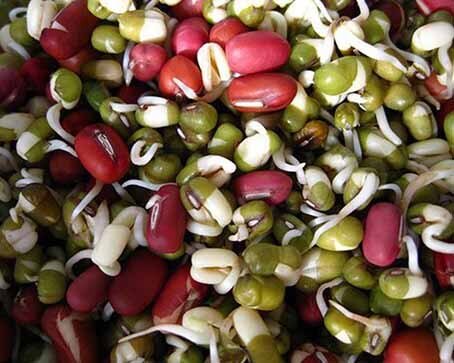
Mungo and azuki
Golden Vigna is a plant from which teats are obtained and then fruits (mung beans), suitable for consumption. The legume mung beans have a dark green color and are about the size of peas. The golden vigna plant is a thermophilic plant that grows to a length of about one meter. This plant is creepy, like ordinary beans. The teat, in which the mung beans are hidden, grows to a length of about 10 - 15 centimeters. The active ingredients that mung beans contain are highly beneficial to the whole body from a health point of view
Mung beans - Golden Vigna (lat. Vigna Radiatta) - legume family
Azuki beans - (lat. Vigna Angulariss) - legume family
20.02.2021
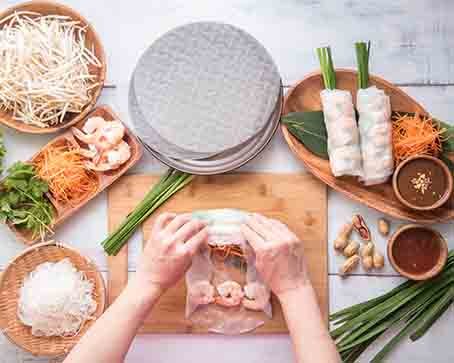
Rice paper / rice wafers
Bánh tráng or bánh đa nem, a Vietnamese term, sometimes called rice paper wrappers, rice crepes, rice wafers or nem wrappers, are edible Vietnamese wrappers used in Vietnamese cuisine, especially in dishes and appetizers such as Vietnamese dishes nem cuốn, nem rán, bánh đa ...
11.02.2018
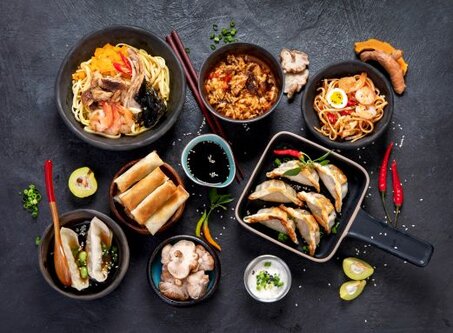
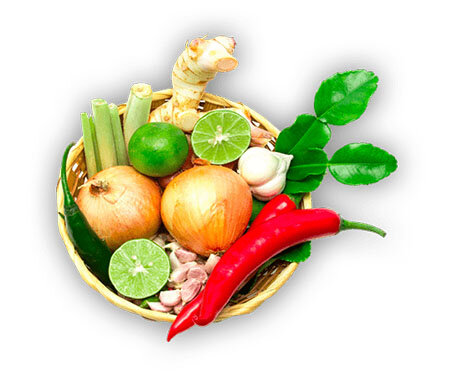
Asian cuisine is as diverse as the rest of the continent. Traditions, regional customs or the availability of the ingredients have an impact on food preparation.
However, Oriental cuisine is known for using large amounts of fresh herbs and spices such as coriander, lemon juice, galangal or wasabi.
09.01.2018
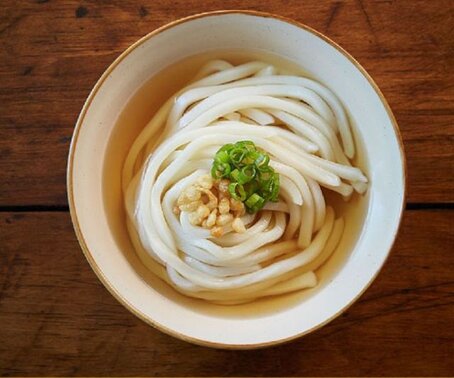
Udon (う ど ん)
Udon are thick Japanese noodles made of wheat flour. They are thicker than soba noodles, white and chewier. Udon is widely available at restaurants across Japan and prepared in various hot and cold dishes.
Popular Udon Dishes
Below is a list of udon dishes that tourists will commonly find at restaurants across Japan. Note that there are some regional differences in terms of naming and seasoning.
09.02.2017
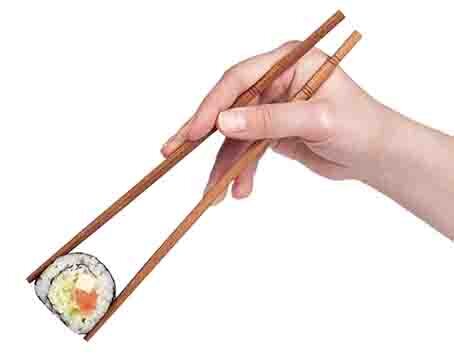
Chopsticks
are a traditional eating utensil of East Asia, originating in China, Japan, Vietnam, Korea and partially Thailand (where they are used to eat noodle soup).
They are usually made of wood, bamboo, metal, bones and nowadays also from plastic. Silver chopsticks were apparently used in China to reveal poisoned food. If poison was present in the food, the chopsticks would turn black due to a chemical reaction.
Asian restaurants and bistros in Slovakia have become very popular, however they usually offer western cutlery to eat with. Many people say that eating the food with authentic Chinese chopsticks gives it a different feel and taste. However, this can be a difficult task.
08.09.2016
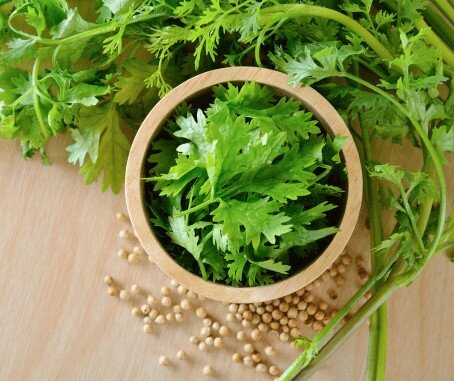
Coriander is an aromatic plant used around the world as a spice, herb, and leafy vegetable. Whether it’s the fresh citrus-flavored leaves (cilantro) or the warm, spicy seeds, coriander is a staple in many traditional cuisines and natural healing systems.
13.06.2016
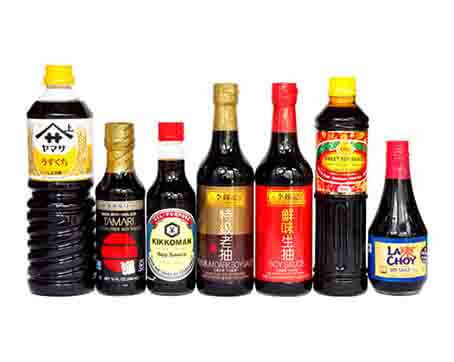
What soy sauces do you know?
Not all soy sauces are created equal. There are different types of soy sauce and here you can learn all about them and how to use them.
28.02.2016
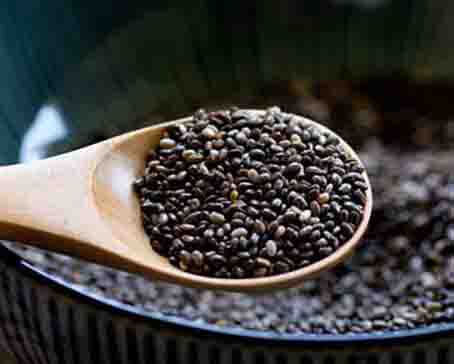
Chia seeds (Salvia Hispanica)
contain a large amount of oil, which is an effective insecticide. This makes it easy to take care of without pesticides. However, it requires specific conditions to grow. The plant needs colder nights and hotter days. Chia seeds have no flavour, and therefore won't ruin any food with their inclusion. Ideally, you want to consume entire chia seeds, or they can be roasted and milled into powder. They are easier to mill after roasting due to their oil content. If added to food this way, the chia seeds gain a slight nutty flavour. The ancient Mayans added chia seeds to water and created a gel which was then flavoured with citrus (called chia fresca), or chewed them whole.
Explore Asian Cooking, Culture & Curiosities
Explore Asian Flavors, Culture & Food Wisdom
The Foodland Blog brings you authentic recipes, cooking tricks, and fascinating insights into Asian culture and ingredients.
Discover more than recipes
From curious facts about Asian food to seasonal tips and traditions, we invite you to learn, cook, and explore with Foodland.
 ⭐ NajNakup.sk • 98% of customers recommend FOODLAND
Latest 30 reviews from NajNakup.sk • 6,072 reviews in total • Updated: 22.08.2026
Come to visit us!
In our shop you will find not only the necessary dry foods, drinks, favorite delicacies, necessary ingredients for cooking but also fresh herbs, vegetables and fruits, quality frozen shrimp, squid, fish ... your favorite recipes that you want to try to cook at home and remember pleasant experiences from trips to Asia.
ContactOpening Hours
| Monday - Friday | 8:00 - 18:00 |
| Saturday | 9:00 - 20:00 |
| Sunday | 9:00 - 15:00 |
🏷️ Popular brands














Logo