
























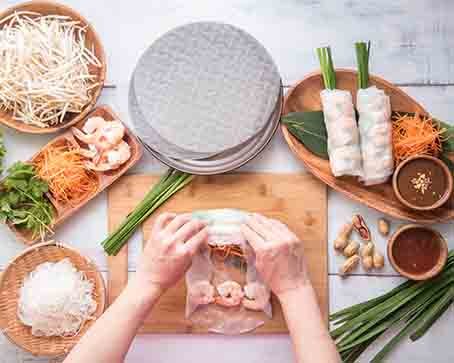
Rice paper / rice wafers
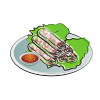
Bánh tráng or bánh đa nem, a Vietnamese term, sometimes called rice paper wrappers, rice crepes, rice wafers or nem wrappers, are edible Vietnamese wrappers used in Vietnamese cuisine, especially in dishes and appetizers such as Vietnamese dishes nem cuốn, nem rán, bánh đa ...
Rice Paper: From Tradition to Modern Flavors in Asian Cuisine
Originally made from rice flour and water, rice paper is an indispensable ingredient in Asian cuisine. Its delicate, translucent texture and neutral, subtle flavor profile make it a versatile wrapper for a variety of traditional and modern recipes. In this article, we will look at its historical development, traditional uses, and current trends that are giving it a new dimension in modern gastronomy.
The historical roots of rice paper
The first mentions of rice paper date back to ancient Asian countries, where it was originally developed as a food wrapper. In China and especially Vietnam, where rice has been grown for centuries, rice paper became the basis for traditional spring rolls and other light meals. Its production was originally a craft activity - rice flour was mixed with water to form a thin layer, which was then dried in the sun.
Traditional use in Asian cuisine
Traditionally, rice paper is used to make various types of spring rolls and wrapped dishes. In traditional Vietnamese cuisine, where it is known as "bánh tráng" , it is used to wrap fresh herbs, vegetables and meat, creating light and refreshing dishes. In Chinese and Thai cuisine, rice paper is used in a similar way, giving dishes a delicate texture and lightness that highlights the freshness of the ingredients used.
Modern trends and innovations
Today, rice paper is no longer limited to traditional recipes. Creative chefs around the world are taking advantage of its versatility and experimenting with new forms of serving. Modern trends include:
- Dessert applications: Rice paper is also used in the preparation of sweet desserts, where it can be served with fruit, whipped cream or as a base for innovative sweet rolls.
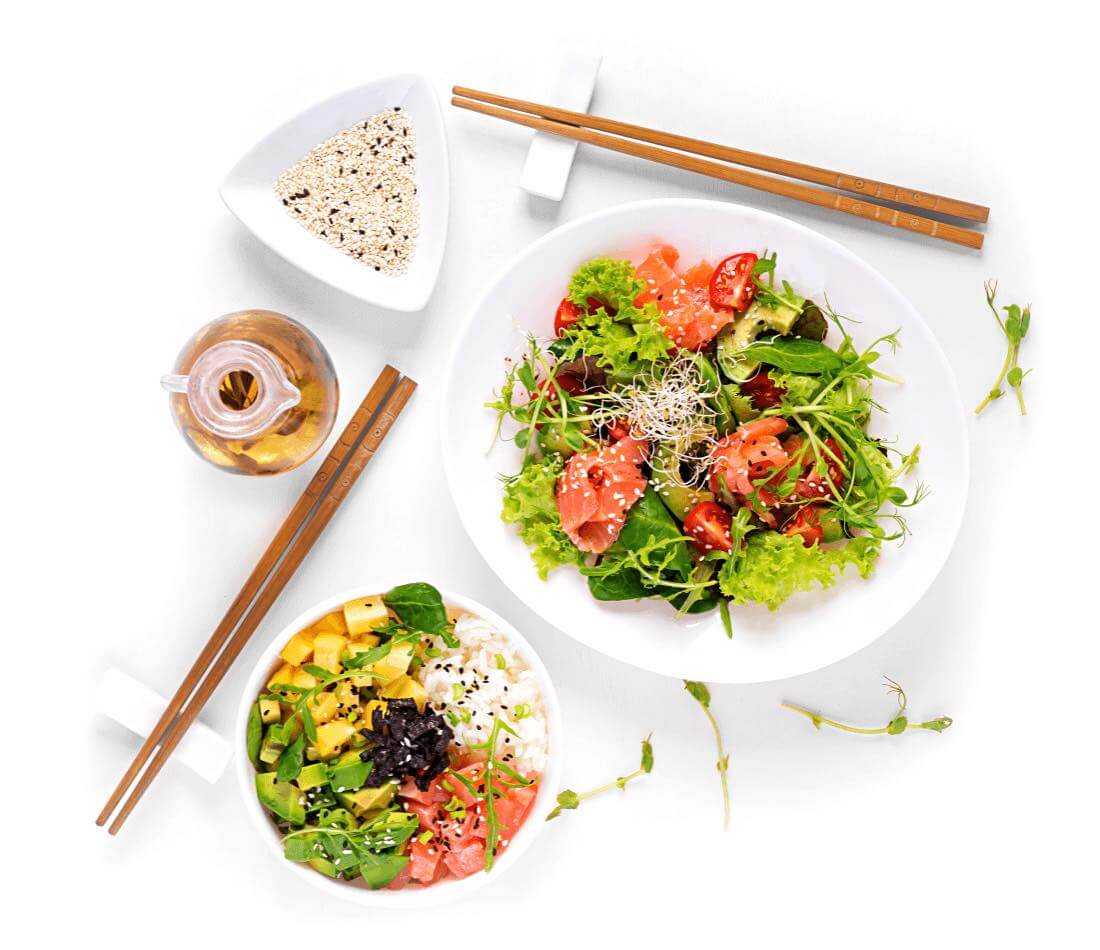
- Fusion cuisine: A combination of traditional recipes with modern techniques, such as coating spicy and healthy ingredients, which can then be served as snacks or appetizers.
- Healthy Alternatives: Due to its low calorie content and ability to enhance the flavor of fresh ingredients, rice paper has become a favorite among those who are mindful of their health and want to experiment with light and nutritious meals.
Rice paper today: Combining tradition and modernity
In modern gastronomy, rice paper has become a symbol of combining tradition with innovation. With its help, you can create dishes that are not only authentic, but also visually appealing and healthy. Whether it's traditional spring rolls or creative fusions, rice paper gives dishes a unique texture and allows for excellent presentations.
Conclusion
Rice paper is a unique ingredient that has come a long way from ancient artisanal production to modern culinary trends. Its versatility and ability to perfectly complement fresh ingredients make it an indispensable element in Asian cuisine and global gastronomy. Whether you want to revive traditional recipes or experiment with new ones, rice paper will provide you with endless possibilities. So embark on this culinary journey and discover the magic of combining tradition with modern flavors!
You can learn everything about rice paper in the following video.
















Add new comment:
Add reply to comment: