

























Coriander (Coriandrum sativum): Medicinal Herb, Spice, and Culinary Treasure of Asia
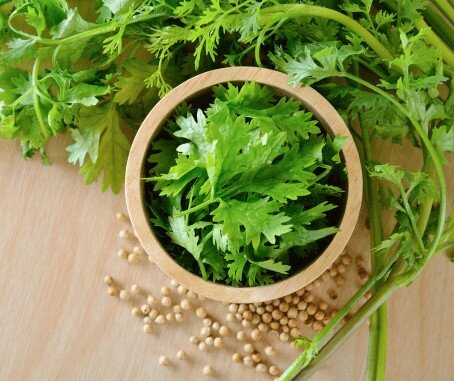
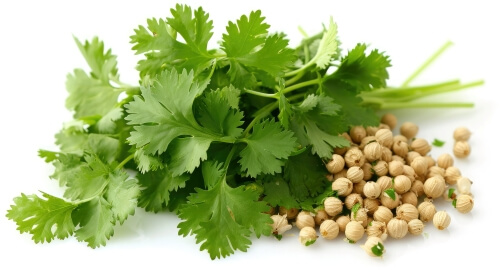
Coriander is an aromatic plant used around the world as a spice, herb, and leafy vegetable. Whether it’s the fresh citrus-flavored leaves (cilantro) or the warm, spicy seeds, coriander is a staple in many traditional cuisines and natural healing systems.
What is coriander?
Coriander (Coriandrum sativum) is an annual herb in the Apiaceae family that grows to about 50 cm in height. Its leaves resemble parsley but have a more distinctive flavor – fresh, citrusy, and for some people, even “soapy” due to a genetic trait. Originally native to the eastern Mediterranean and western Asia, coriander is now cultivated worldwide – including in Europe and the US.
History and origins
-
Coriander has been used for over 3,000 years, with references in Vedic texts, ancient Egyptian papyri, the Old Testament, and writings by Hippocrates.
-
Coriander seeds were found in the tomb of Pharaoh Tutankhamun, showing their significance in ancient Egypt.
-
The Romans helped spread coriander throughout Europe, where it was widely used in folk medicine.
Health benefits of coriander
Coriander is rich in antioxidants, vitamins (A, C, K), and minerals (calcium, magnesium, potassium), along with essential oils known for their therapeutic effects:
-
✅ Aids digestion – stimulates gastric juices, relieves cramps and bloating.
-
✅ Boosts appetite – especially useful during weakness or recovery.
-
✅ Lowers blood sugar levels – supports glucose metabolism and insulin sensitivity.
-
✅ Anti-inflammatory and antibacterial – helps fight infections and inflammation.
-
✅ Supports the nervous system – relieves migraines, improves focus, and calms anxiety.
-
✅ External use – tinctures are used for rheumatism and joint pain.
Culinary use
Two parts of the coriander plant are used in cooking:
-
Leaves (cilantro) – fresh, ideal for salads, salsas, curries, and soups like Vietnamese pho.
-
Seeds – dried and often ground. A key ingredient in curry powder, garam masala, pickles, breads, and liqueurs.
Tips:
-
Dry-roast the coriander seeds before grinding to enhance aroma.
-
Add fresh leaves at the end of cooking to preserve flavor and aroma.
-
For best quality, buy whole seeds and grind them fresh as needed.
Fun facts
-
🌱 Some people find coriander “soapy” due to a variation in the OR6A2 gene.
-
🇲🇽 In Latin American cuisine, the fresh leaves are commonly known as cilantro.
-
🥖 In Austria and Germany, coriander seeds are used in rye bread.
Frequently Asked Questions
Is coriander the same as cilantro?
Yes – cilantro is the name for coriander leaves, especially in American and Latin cuisine.
Does coriander help with digestion?
Absolutely. It relieves bloating, stimulates digestion, and soothes intestinal discomfort.
How should coriander be stored?
Fresh leaves should be wrapped in damp paper and kept in the fridge. Store seeds in a cool, dry, dark place.
Is coriander safe for children?
In small amounts, yes. For concentrated forms, consult a pediatrician.
Conclusion
Coriander is a versatile plant with deep historical roots, proven health benefits, and culinary value across continents. Whether you're cooking exotic dishes or seeking natural remedies, coriander is a plant worth having in your kitchen and herbal shelf.

















Exact information you have shared! Well, we supply indian spices at wholesale price in south africa. Order your batch of whole or ground spices from one of the leading wholesale spices suppliers South Africa..
Add new comment:
Add reply to comment: