


























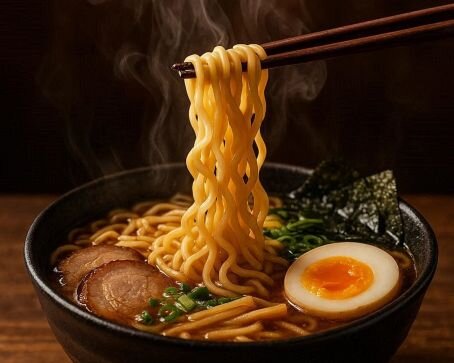
Shoyu Ramen is one of the most popular Japanese dishes and a symbol of modern Japanese gastronomy. In this recipe, we'll show you how to make authentic ramen with a soy base, rich broth, springy ramen noodles, and traditional toppings like marinated Ajitsuke Tamago egg, nori, and juicy pork.
In addition to the recipe itself, you will also learn interesting facts about the history of ramen, the differences between Shoyu, Miso and Tonkotsu ramen, a comparison of ramen, udon and soba noodles, and tips on how to prepare a bowl of ramen at home that tastes similar to Japanese ramen bars.
Discover the secret of one of the most popular Japanese soups and prepare authentic Shoyu Ramen step by step.
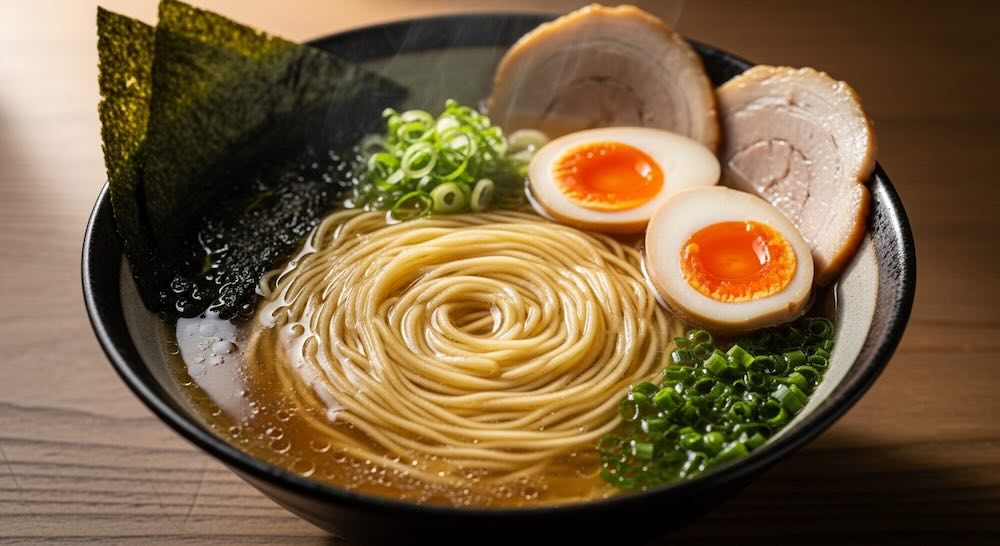
Shoyu Ramen
Traditional Japanese ramen with a deep broth, soy sauce base (tare), springy noodles, nori and a delicately marinated egg.
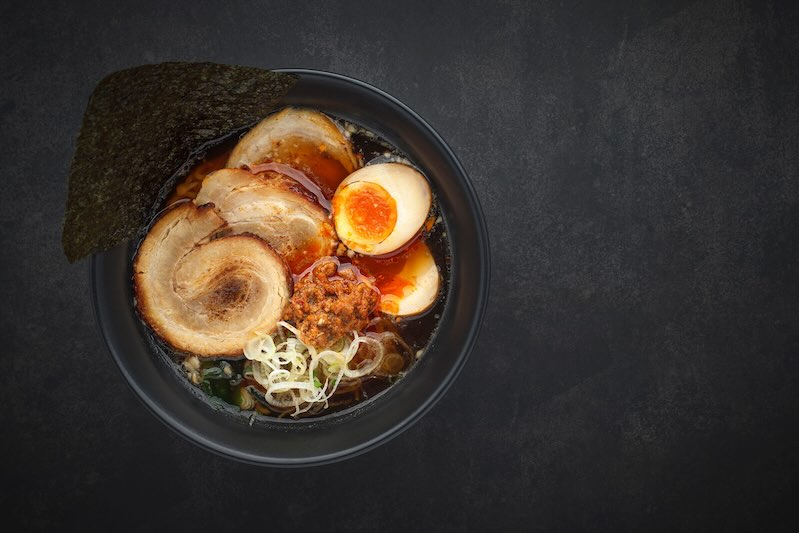
What is Shoyu Ramen?
Shoyu ramen is one of the best-known Japanese ramen styles. Its flavour comes from the combination of a clean broth and a soy sauce base (tare), which gives the soup saltiness, an amber colour and deep umami flavour.
Broth
Chicken or mixed broth with pork bones, garlic and ginger.
Soy Sauce Base
A concentrated seasoning made with soy sauce, mirin and sake.
Noodles
Springy wheat ramen noodles that are best eaten right after being added to the broth.
The Story of Ramen: from Chinese Noodles to a Japanese Cult Dish
In Japan, ramen became a dish that combines speed, craftsmanship and regional identity. Every bowl has its own broth, its own soy sauce base and its own philosophy.

The Most Famous Types of Ramen
Shoyu is soy-based and balanced. Miso is richer and more intense. Tonkotsu is creamy and meaty. These differences are part of the charm of Japanese ramen culture.
Shoyu Ramen
Soy sauce base, clear broth, amber colour and balanced umami flavour.
Best for classic homemade ramen →
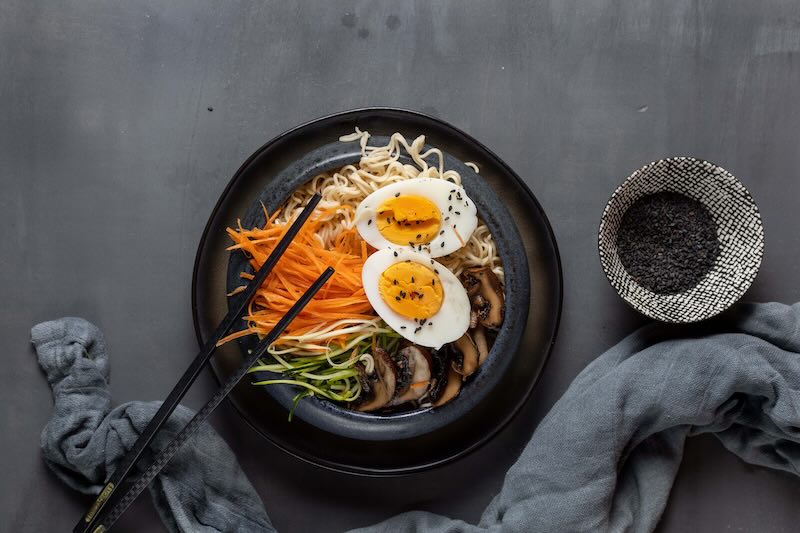
Miso Ramen
A more expressive ramen with miso paste, often served with corn, butter or spicy oil.
Richer flavour →
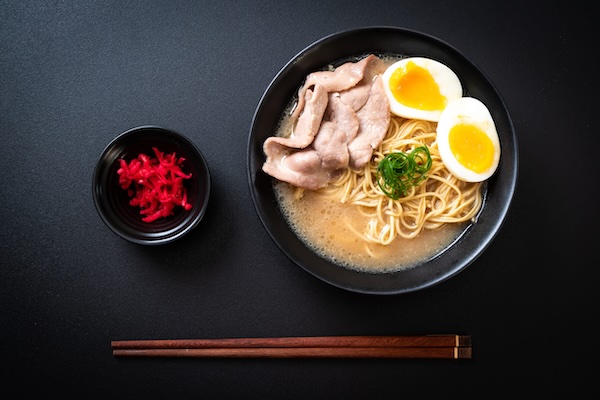
Tonkotsu Ramen
Creamy ramen made from pork bones, especially known from the Hakata and Fukuoka areas.
The richest broth →
Ingredients for Homemade Shoyu Ramen
This recipe is built around a strong broth made from chicken wings and pork bones, a soy sauce base (tare), ramen noodles and classic toppings such as nori, egg, spring onion and chashu.
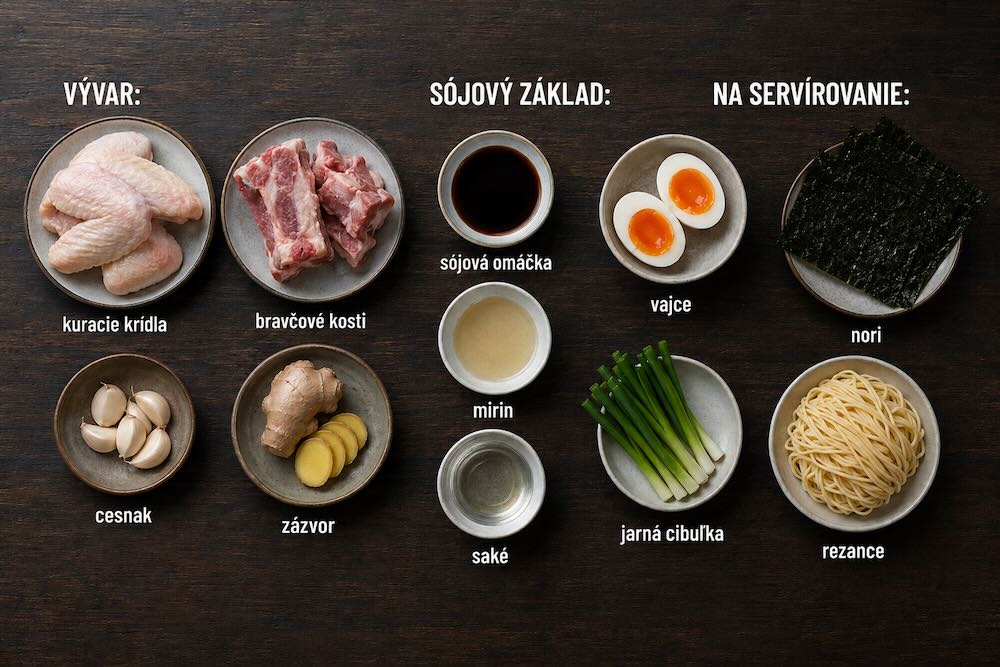
Broth
- chicken wings
- pork bones or ribs
- garlic, ginger, spring onion
Soy Sauce Base (tare)
- soy sauce
- mirin
- sake
- hot broth to adjust saltiness
For Serving
- ramen noodles
- marinated egg
- nori, spring onion
- chashu or braised pork
Recipe Step by Step
This Foodland recipe is not a direct copy of any specific video. It is based on our ingredient photo and a homemade Shoyu Ramen style.
Ingredients for 4 servings
- chicken wings
- pork bones or ribs
- garlic, ginger, spring onion
- 12 cups water
- ¼ cup soy sauce
- 2 tbsp mirin
- 2 tbsp sake
- ramen noodles
- eggs, nori and chashu to taste
Clean the broth base
Briefly boil the chicken wings and pork bones or ribs, discard the water and rinse the meat.
Cook the broth
Return the meat to the pot, add about 12 cups of clean water, then add garlic, ginger and the white part of the spring onion.
Simmer slowly
Cook the broth over low heat for about 2.5–3.5 hours. It should not boil aggressively.
Prepare the soy sauce base
In a small bowl, combine soy sauce, mirin and sake. Warm briefly so the flavours come together.
Cook the noodles
Cook the ramen noodles separately according to the package instructions and drain them just before serving.
Assemble the ramen
Add the soy sauce base to the bowl, pour in hot broth, then add noodles, chashu, egg, nori and spring onion.
Ramen vs. Udon vs. Soba
Not every Japanese noodle is suitable for Shoyu Ramen. Ramen noodles have a specific springiness, thickness and ability to hold broth.
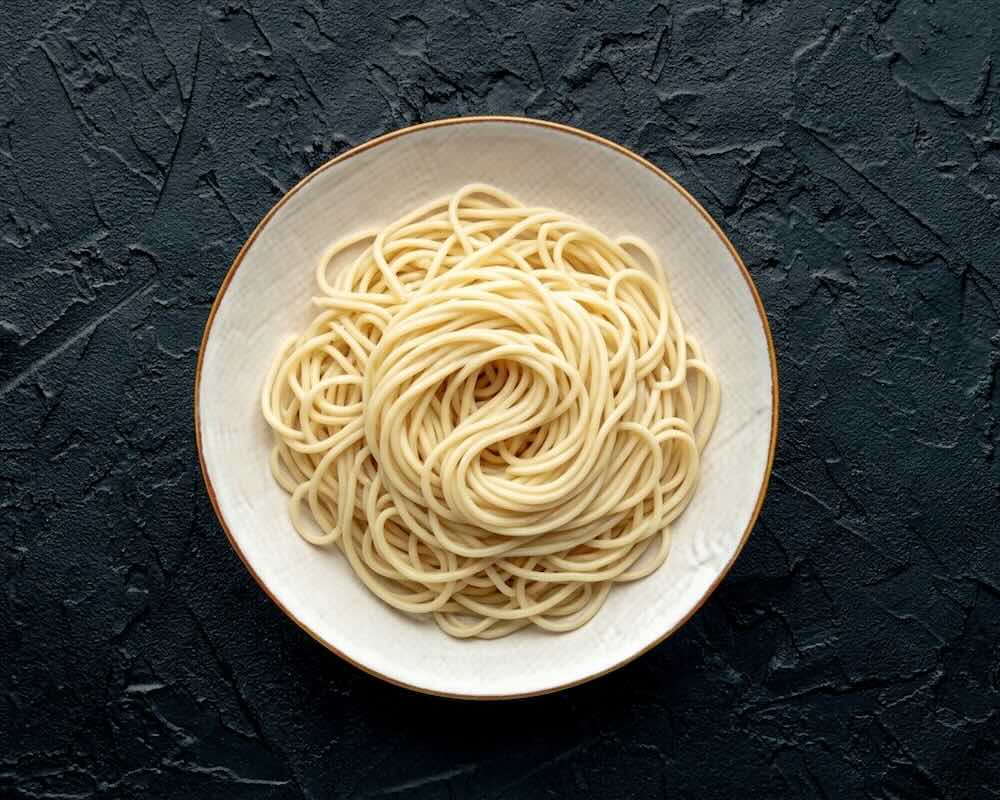
Ramen
Springy wheat noodles that are ideal for hot broth.
Best choice →
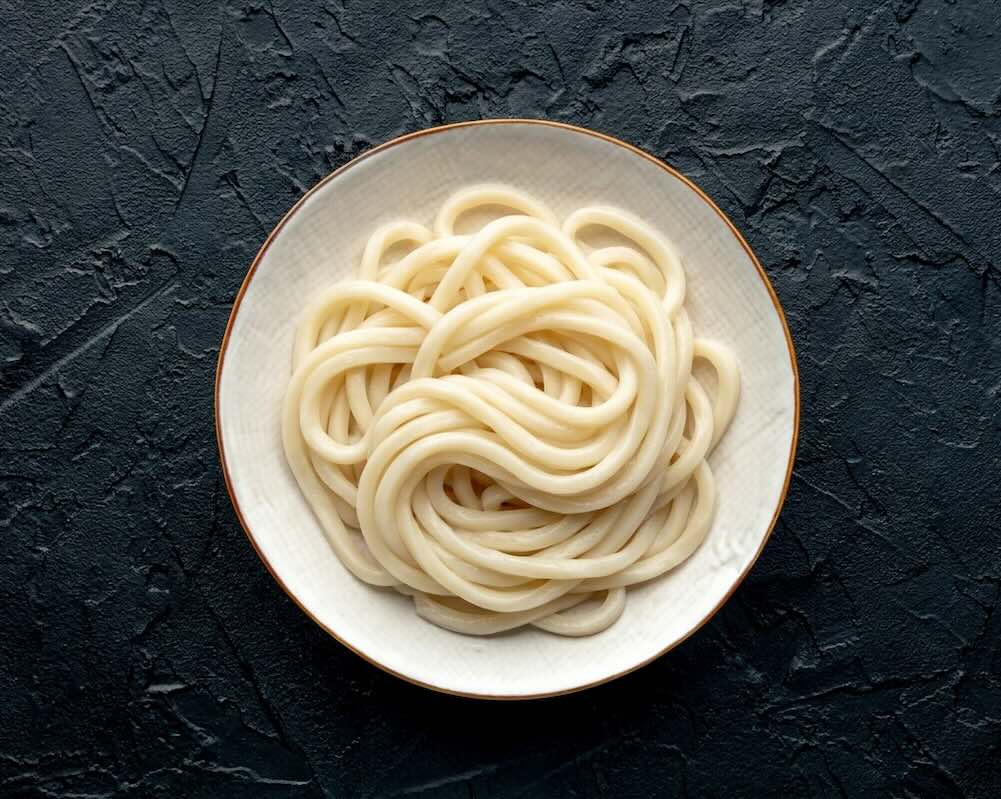
Udon
Thicker and softer noodles, better suited to udon soups.
A different style →
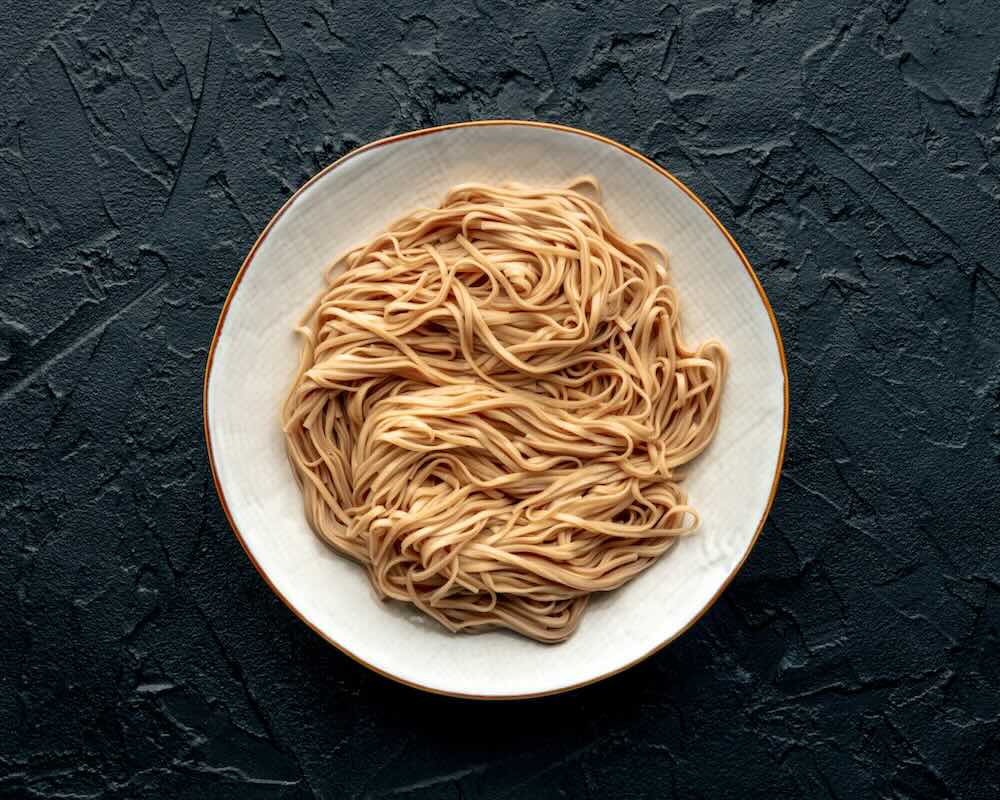
Soba
Buckwheat noodles with a stronger flavour, often also served cold.
A more distinctive flavour →
Chashu and Nori: Toppings that Complete the Bowl
Chashu or slowly braised pork adds juiciness and depth to the bowl. Nori brings a gentle sea aroma and a typical Japanese character.
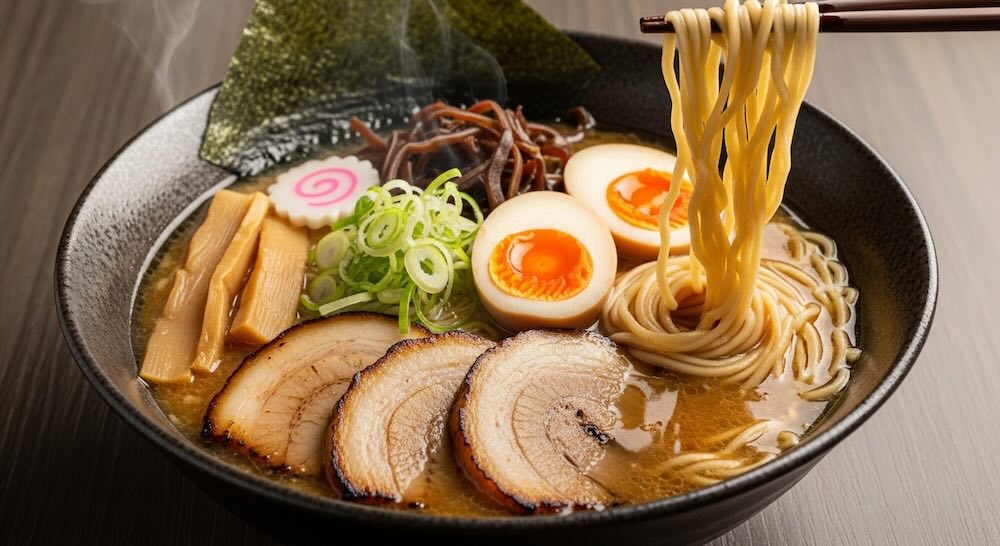
Chashu
Slowly braised pork sliced into thin pieces.
Nori
Dried seaweed that strengthens the umami flavour of the broth.
Spring Onion
A fresh contrast to the broth, meat and soy sauce base.
The Secret of Ajitsuke Tamago
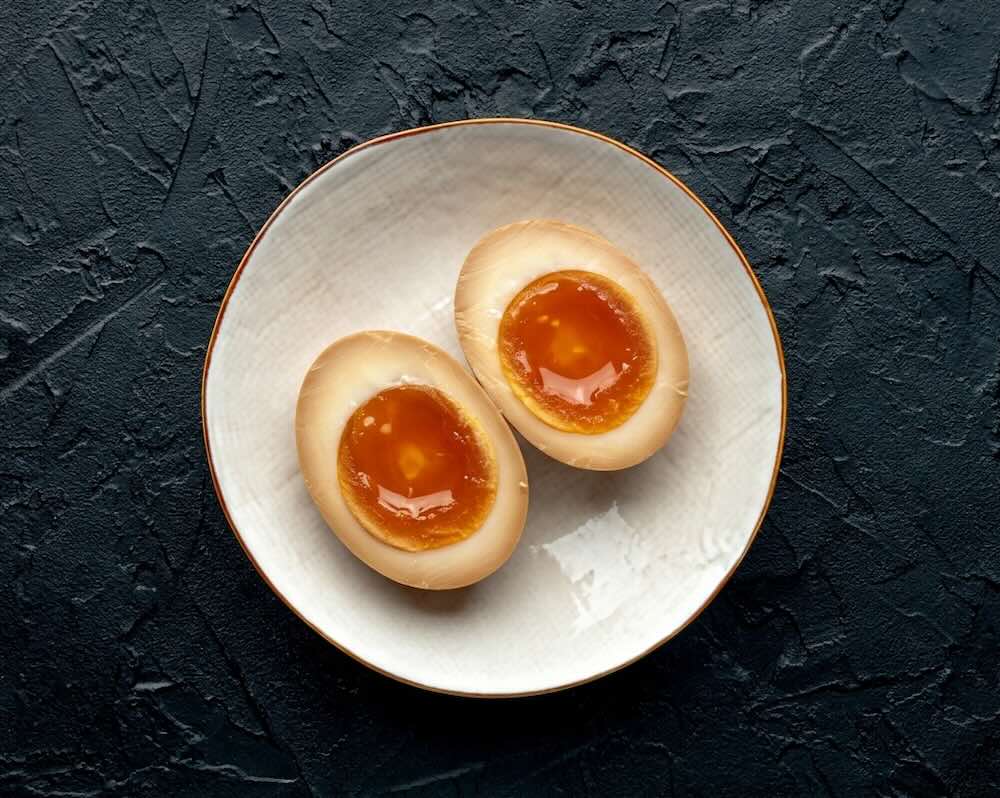
A marinated ramen egg is a small detail that can transform the whole bowl. Ideally it has a firm white and a creamy yolk. After boiling, the egg is marinated in soy sauce, mirin and water to gain a gentle saltiness and Japanese aroma.
Cooking Time
About 6–7 minutes, depending on the size of the egg.
Cooling
Place immediately into ice water to stop the cooking process.
Marinating
Ideally for several hours or overnight.
How to Eat Ramen Properly
Ramen is eaten hot and immediately after preparation. The noodles should not sit in the broth for too long, because they lose their springiness.
| Tip | Why it matters |
|---|---|
| Taste the broth first | You will understand the character of the soup and the strength of the soy sauce base. |
| Eat the noodles right away | Ramen noodles are best when they are springy and hot. |
| Slurping is acceptable | In Japan, this is a common way to eat hot noodles. |
| Combine toppings gradually | Each element has its own flavour and texture. |
Interesting Facts from the World of Ramen
Ramen is not just soup. It is culture, craft and for many Japanese people also a personal ritual.
Yokohama Ramen Museum
The ramen museum shows different regional styles and the atmosphere of Japanese ramen bars.
Ramen Bars
In Japan, ramen is often a quick meal, but its preparation can be a lifelong craft.
Soy Sauce Base (tare)
The recipe for the soy sauce base is often a closely guarded secret. It is what defines the character of the bowl.
Frequently Asked Questions
What is the difference between Shoyu and Miso ramen?
Shoyu ramen uses a soy sauce base, while Miso ramen is seasoned with miso paste and is usually richer.
Can ramen be made without pork?
Yes. The broth can be made only with chicken, but pork bones or chashu add deeper flavour.
Why is the soy sauce base called tare?
Tare is the Japanese name for a concentrated seasoning base. In this English version, we explain it as a soy sauce base.
Can I use udon or soba?
You can, but the result will no longer be classic ramen. Ramen noodles work best.
Discover Japanese Ingredients at Foodland
For homemade Shoyu Ramen, ramen noodles, soy sauces, nori, Japanese seasonings and high-quality Asian ingredients are the best choice.



Add new comment:
Add reply to comment: