




























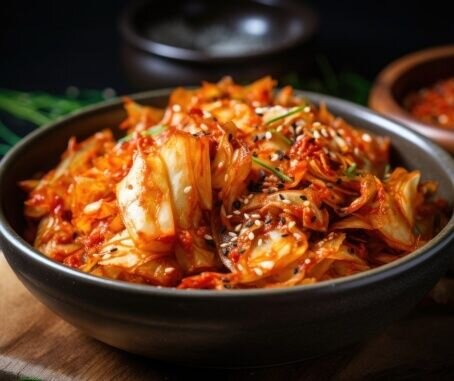
Kimchi is a fermented vegetable that may sound strange – but tastes amazing. Find out what it is, what it tastes like, why it's popular, and how to include it in your diet even if you've never tried it before.
What is kimchi, what does it taste like and why should you try it?
Kimchi is a traditional Korean fermented vegetable. It's sour, salty, spicy, crunchy, and full of umami. For some, it's love at first bite, for others, a taste that takes some getting used to.
In the article you will find out what kimchi actually is, how to eat it, how to store it, and what dishes it tastes best with.
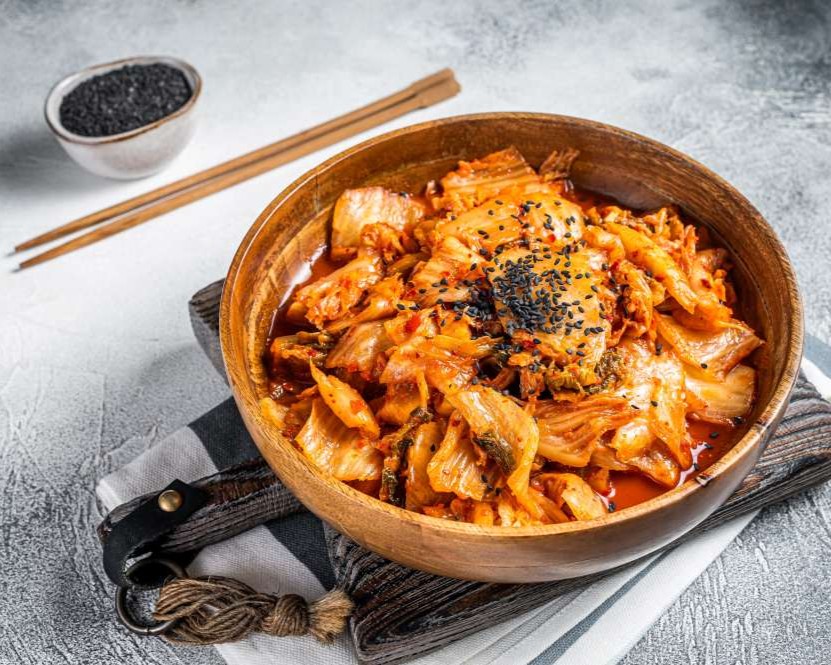
Article content
Choose the section you are interested in. Tabs serve as quick navigation within the article.



What is kimchi?
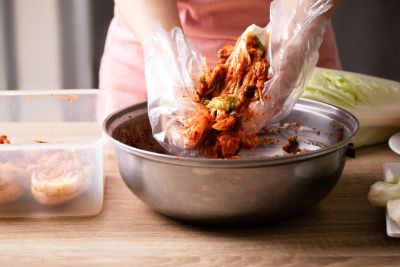
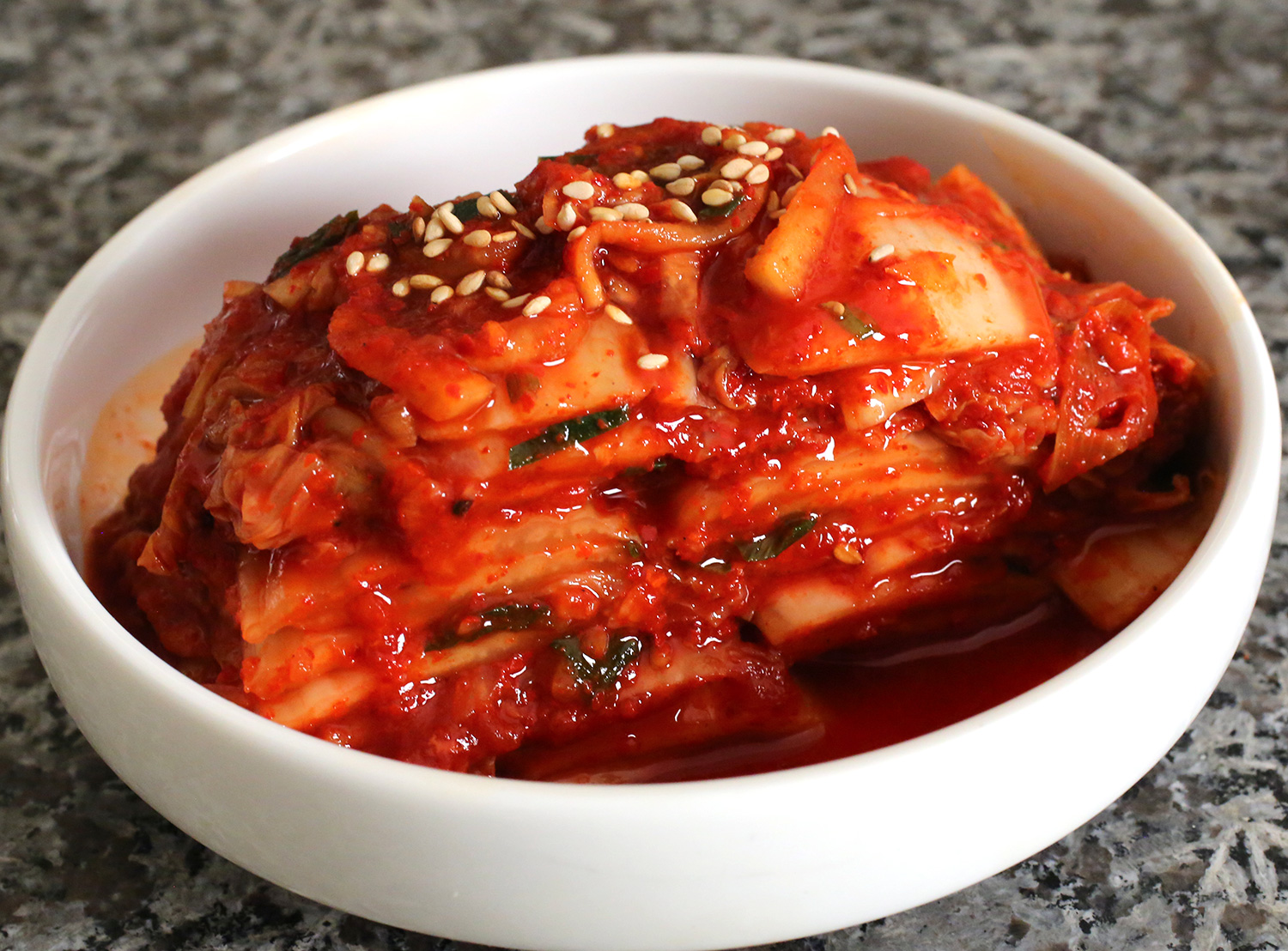
Kimchi is a traditional Korean dish that is made by fermentation - the natural fermentation of vegetables in a brine with spices.
The base is most often Chinese cabbage, radish, spring onion, garlic, ginger and Korean gochugaru chili. The result is distinctive, fresh and complex in flavor.
In Korea, kimchi has a similar place to sauerkraut in our country. It is not just a side dish, but an everyday part of food, culture, and home cooking.
What does kimchi taste like?
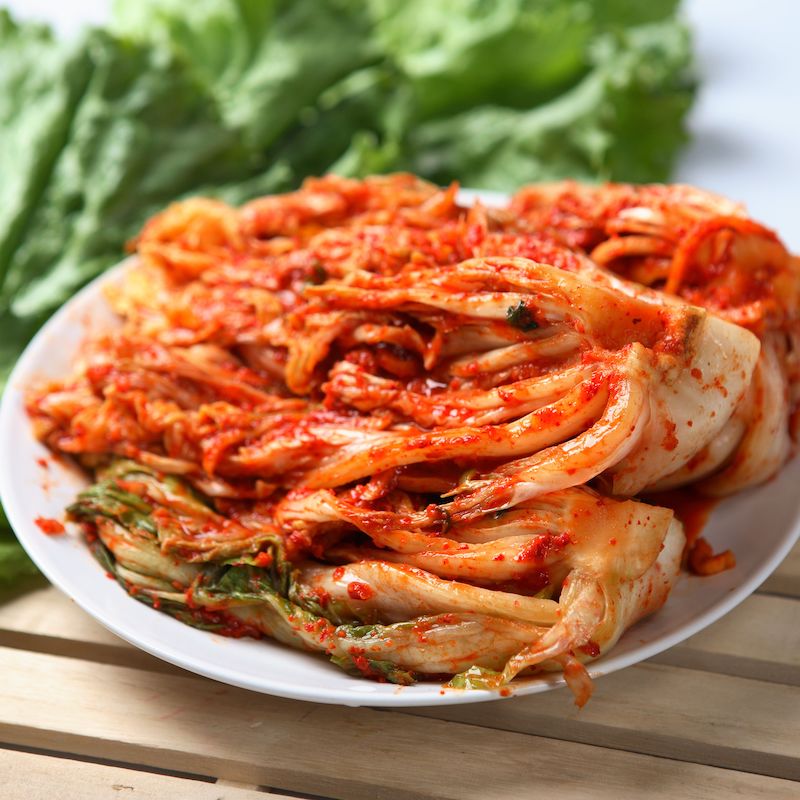
The first taste can be surprising. Kimchi has multiple layers of flavor at once – that's why it's so addictive.
Vibrant fermented taste
The acidity is created by natural fermentation. Younger kimchi is milder, older kimchi is more pronounced and sharper.
Spicy but not flat
Gochugaru adds spiciness to kimchi, but it's usually not extreme. The spiciness is deep and balanced.
Salty, distinctive, addictive
Some types contain fish sauce or fermented seafood ingredients, which add the typical umami flavor.
Texture of fresh vegetables
Proper kimchi is not overcooked or bland. You can still feel the texture of the cabbage or radish in it.
Love often comes later.
For some, it's a bit strange at first bite. But with rice, noodles, or ramen, the taste quickly mellows out.
Not all kimchi tastes the same
There are milder, hotter, more acidic, and fresher versions. It's worth finding your own.
Why is there such a fuss about kimchi?
Kimchi is not just a social media trend. It is a fermented food with a long tradition, a distinctive flavor, and practical uses in everyday cooking.
Supports a varied diet
Kimchi is a vegetable side dish that adds flavor, fiber, and a sour contrast to a meal.
It is fermented
Thanks to fermentation, it is one of the foods that is naturally associated with intestinal microflora and digestion.
It has a strong flavor without much effort
Just a few spoons will give plain rice, eggs, ramen or a sandwich a whole new character.
Works hot and cold
You can eat it straight from the container, add it to fried rice, ramen, soup, or use it as a side dish.
How to eat kimchi when you're not sure?
Kimchi doesn't require complicated preparation. Just open it up and add it to your meal. Here are the easiest ways to get started with it.

How to store kimchi?
Kimchi is a fermented food, so its flavor changes over time. Proper storage helps maintain both quality and flavor.
Storage rules
- Store in the refrigerator. After opening, keep it refrigerated to slow down fermentation.
- Use a sealable container. Kimchi has a strong aroma, so it's a good idea to keep it tightly sealed.
- Use clean cutlery to remove food. Do not allow dirt or water to enter the container.
How does the taste change?
- Fresh kimchi: milder, less sour, suitable for beginners.
- Ripe kimchi: more pronounced, sour and complex.
- Very ripe kimchi: ideal for cooking, such as in soups or fried rice.
Recipes with kimchi
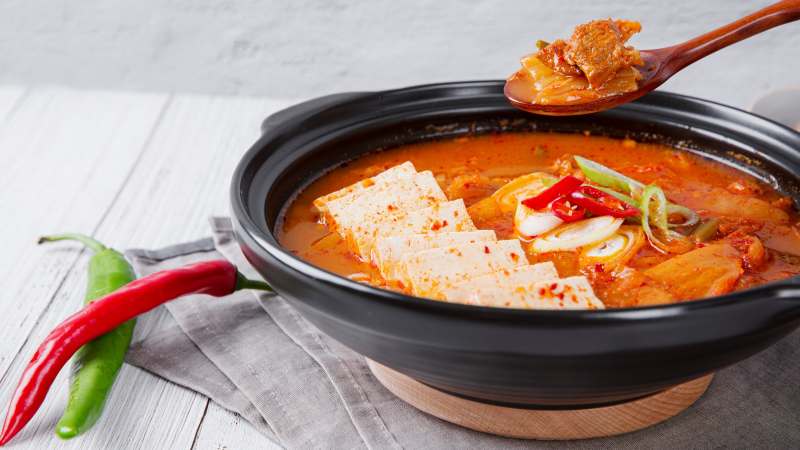
Once you've grown to love kimchi, it doesn't have to be just a side dish. Try it in rice, ramen, stews, or in homemade dishes.
Try kimchi at home
You don't have to go to extremes to start. Just a smaller package, a spoonful with rice, or a few pieces in ramen is enough. It may feel strange the first time, but that's often how a new favorite flavor begins.

Mat Kimchi BIBIGO 1000g
Mat Kimchi Cut JONGGA 1000 g



Add new comment:
Add reply to comment: