




























Mochi: A Traditional Japanese Delicacy with a Modern Twist
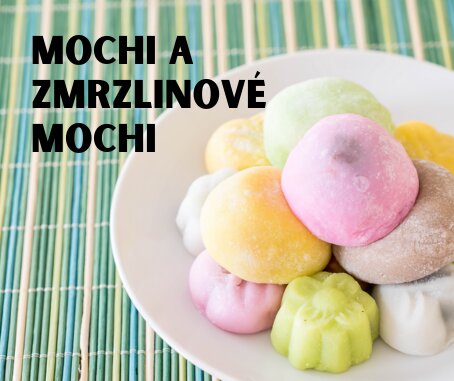
Mochi is an integral part of Japanese culture and history that goes back thousands of years. This unique dessert, made from sticky rice known as "mochigome", has a special place in Japanese traditions, where it is often used during important holidays and celebrations.
Despite its long history, mochi has not remained just an ancient delicacy – today it has become a global phenomenon thanks to innovations such as ice cream mochi.
Mochi rich in history 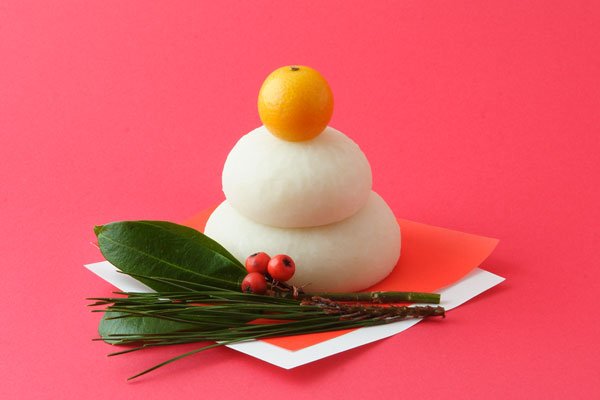
Mochi first appeared a thousand years ago, during the Heian period (794–1185). Back then, mochi was prepared during important religious ceremonies and was considered a sacred food that brought good luck and prosperity. At the time, mochi was associated with wealth and power because it was difficult to make and required a lot of time and effort. Mochi was often offered to gods as part of Shinto ceremonies, but also to emperors and nobility as a symbol of wealth and power.
Over the centuries, mochi has become part of the daily life of the Japanese people, but it has continued to play an important role in traditional Japanese celebrations, especially during the New Year, when a special version called "kagami mochi" is prepared. Kagami mochi is composed of two circular layers of mochi, placed on top of each other, and a tangerine is often placed on top. This symbolic dessert represents continuity and hope for a happy new year.
Modern variations of mochi
Over time, mochi has adapted to various regional traditions and culinary innovations. Today, there are many variations of this dessert that vary by region and method of preparation. Some of the most well-known types include:
-
Daifuku Mochi : One of the most popular versions of mochi, where a sweet filling such as red bean paste (anko), sesame paste, or fruit is placed in the center.
-
Yomogi Mochi : This version has yomogi (the Japanese herb Artemisia) added to the mochi batter, giving it a green hue and a mild bitter taste.
-
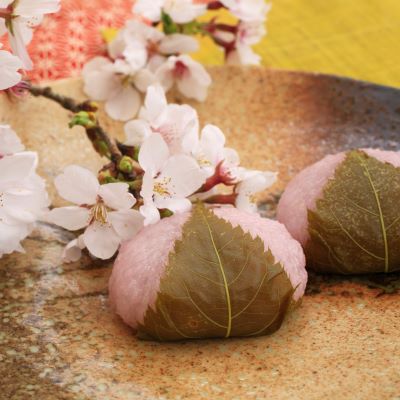
Sakura Mochi : Prepared in the spring during the Hanami holiday, when the cherry blossoms are celebrated. The dough is a soft pink and is often wrapped in a sakura leaf, which adds a subtle saltiness.


Ice Cream Mochi: A Global Phenomenon
Ice cream mochi , which has become very popular especially outside of Japan, is a modern fusion that combines the traditional texture of mochi  with the cooling sweetness of ice cream. This innovative dessert was first introduced in the 1990s in the US, where it quickly became a hit in Japanese restaurants and later in supermarkets.
Ice cream mochi is made in a similar way to traditional mochi, but with one important difference: instead of the classic sweet filling, ice cream is placed in the center of the mochi. A thin layer of mochi is made, which is then carefully wrapped around small balls of ice cream. The combination of warm, sticky layer and cooling ice cream creates a unique taste experience.
Flavors and variations
Ice cream mochi offers countless flavors, making it a flexible dessert for different tastes and preferences. The most popular flavors include:
-
Matcha (green tea) : The pleasantly bitter taste of matcha ice cream in contrast to the mildly sweet mochi is ideal for lovers of traditional Japanese flavors.
-
Vanilla : A classic that never disappoints. Soft vanilla ice cream is the perfect choice for those who prefer milder flavors.
-
Strawberry : The sweet and fruity flavor of strawberry adds a refreshing note to the whole dessert.
-
Mango : A tropical and exotic taste that brings refreshment and a bit of exoticism.
In addition to the classic flavors of ice cream, there are also less common and exotic variants, such as sesame, red bean (azuki), coconut, or even salted caramel.
How ice cream mochi made it to the west
The first steps of ice cream mochi to the Western market were made by the Mikawaya family, a traditional mochi maker based in Los Angeles. In the 1990s, this family business started making and selling ice cream mochi in the US, where it became an instant hit. Combining a traditional Japanese dessert with ice cream, which is a global favorite, turned out to be an excellent move that opened the door for this dessert to the global market.
Today, you can find ice cream mochi in supermarkets and specialty stores around the world, often in the exotic or Asian food sections. In restaurants, especially those that focus on Asian cuisine, ice cream mochi is often served as a refreshing end to a meal.

Interesting facts about ice cream mochi
-
Texture is key : One of the most important features of ice cream mochi is its texture. The mochi must be elastic and soft enough to provide a nice contrast to the ice cream. The preparation process requires precision because if the mochi batter is made too thick, it can spoil the overall experience.
-
Defrosting : It is important to let the ice cream mochi sit at room temperature for a while before eating. This will allow the mochi peak to mellow for an optimal taste experience.
-
Variations in different countries : Although mochi ice cream originated in Japan, it has been adapted to local tastes in different countries. For example, in the US, flavors like chocolate or salted caramel are popular, while in Japan, matcha and red bean are still the most popular.
The future of mochi
Mochi, and especially its modern versions such as ice cream mochi, continue to grow in popularity on a global scale. Thanks to its flexibility in flavors and serving options, it has become a favorite dessert for those looking for something new and exciting. With the growing demand for unique and exotic desserts, we can expect mochi to continue to develop and discover new markets.
Ice cream mochi is a perfect example of how a traditional dessert can gain new life and popularity when combined with modern culinary trends. It's a dessert that fuses the old with the new, and its unique combination of flavors and textures makes it an unforgettable experience for sweet lovers around the world.
Mochi Madness: Uncovering the Sweet Secrets of Japanese Mochi



Add new comment:
Add reply to comment: