




























Miso Soup: Tradition, Taste, and Versatile Uses of Miso Paste
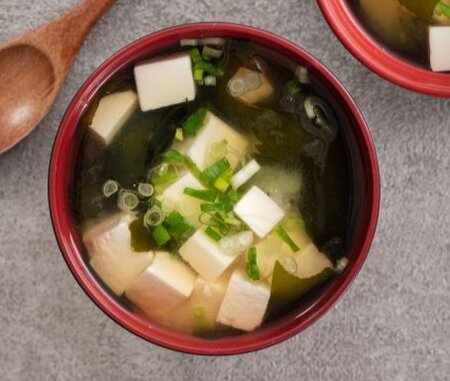
Miso soup – Japanese umami in a bowl
Miso soup is one of those simple dishes that the Japanese enjoy almost every day – morning, lunch or dinner. Despite its inconspicuousness, it hides a balanced combination of taste, nutrition and tradition . The basis is only a few ingredients – dashi broth , miso paste and additional ingredients – but it is precisely in this simplicity that the secret of Japanese cuisine lies.
What is Miso Paste
Miso is a fermented paste made from soybeans, grains (rice or barley), water, and salt with a koji culture (Aspergillus oryzae). During 1–36 months of fermentation, proteins and starches break down into amino acids and sugars – creating the characteristic deep umami flavor.

Types of Miso Paste and Their Composition
| Type | Japanese Name | Ingredients | Flavor Profile | Fermentation | Use |
|---|---|---|---|---|---|
| White miso | Shiro miso | Soybeans, rice koji, salt | Mild, slightly sweet, light | 1–3 months | Soups, dressings, marinades, sauces |
| Yellow miso | Awase miso | Blend of white and red miso | Balanced, medium salty | 3–6 months | Everyday cooking, versatile |
| Red miso | Aka miso | Soybeans, rice/barley koji, salt | Rich, matured, dark | 12–36 months | Hearty soups, glazes, meat dishes |
| Barley miso | Mugi miso | Soybeans, barley koji, salt | Earthy, slightly nutty | 6–12 months | Vegetable soups and stews |
| Brown rice miso | Genmai miso | Soybeans, brown rice, salt | Full-bodied, nutty, nourishing | 6–12 months | Vegetarian and macrobiotic cuisine |
| Miso with dashi | Dashi-iri miso | Soybeans, grains, salt, dried stock | Salty, aromatic | 1–3 months | Quick preparation (less probiotic) |
How to Use Miso Paste
- Soups and broths: miso soup, ramen, udon – adds depth and umami.
- Marinades for meat and fish: combine with mirin, sake, and sugar for a delicate glaze.
- Sauces, dips, and dressings: miso mayo, sesame miso dressing, miso dengaku.
- Stir-fries and noodles: a spoonful of miso intensifies flavor.
- Baked and roasted dishes: pumpkin, sweet potatoes, or eggplant with miso glaze.
- Modern fusion and desserts: miso butter, miso caramel, sweet-salty contrast.
Dashi – The Foundation of Flavor
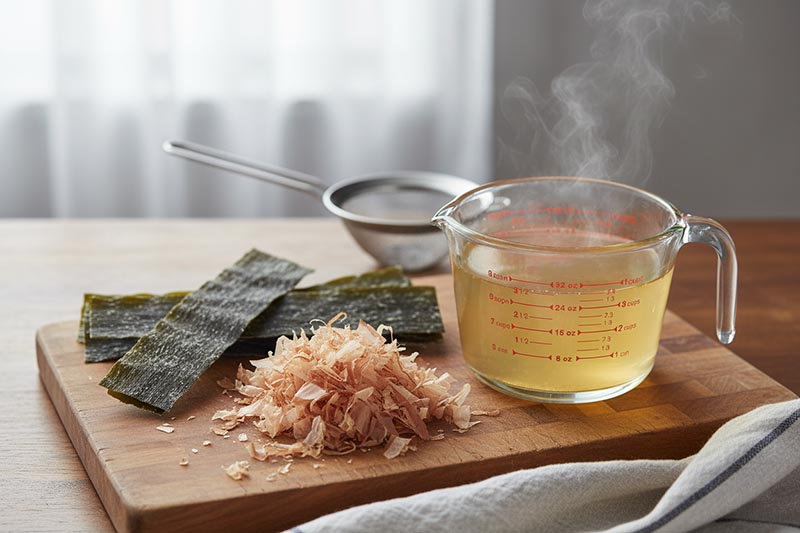
Dashi is a light broth made by extracting natural umami from simple ingredients in just a few minutes – it’s the heart of authentic miso soup.
Main Types of Dashi
- Awase dashi – kombu + katsuobushi (the most common base for miso soup).
- Kombu dashi – mild, plant-based, made from kelp only.
- Katsuo dashi – strong bonito-based fish stock.
- Iriko dashi – robust stock made from dried anchovies.
- Shiitake dashi – deep earthy flavor from dried mushrooms.
- Vegan dashi – kombu + shiitake (100% plant-based).
Recipe: Awase Dashi (Classic)
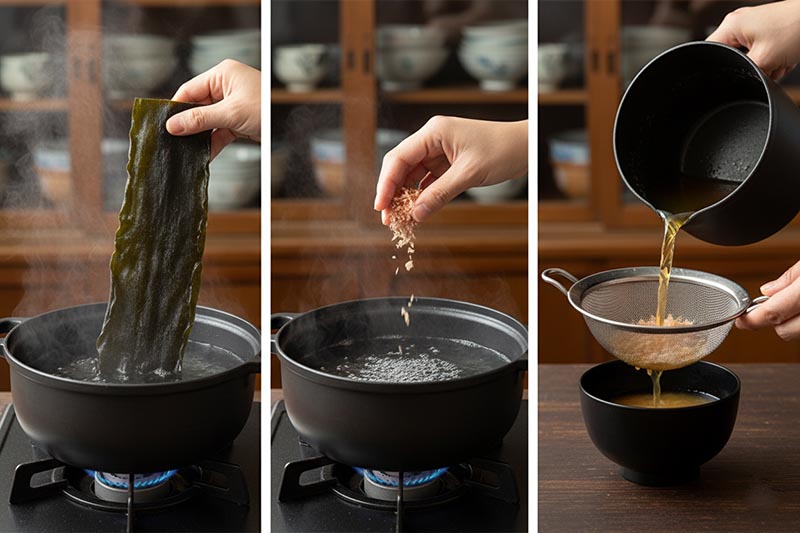
- 1 L water, 1 sheet of kombu (~10×10 cm), 30 g katsuobushi.
- Soak kombu in cold water for 30 minutes (optional), then heat gently and remove before boiling.
- Add katsuobushi, steep for 2–3 minutes, strain. Done!
- Store in the fridge for 3–5 days or freeze for up to 2 weeks.
Quick Options
- Dashi powder: 1–2 tsp per 1 L of hot water.
- Dashi sachets: brew like tea – simmer briefly, then remove.
You can buy dashi powder in our store or online shop.
How to Make Miso Soup (Basic Method)
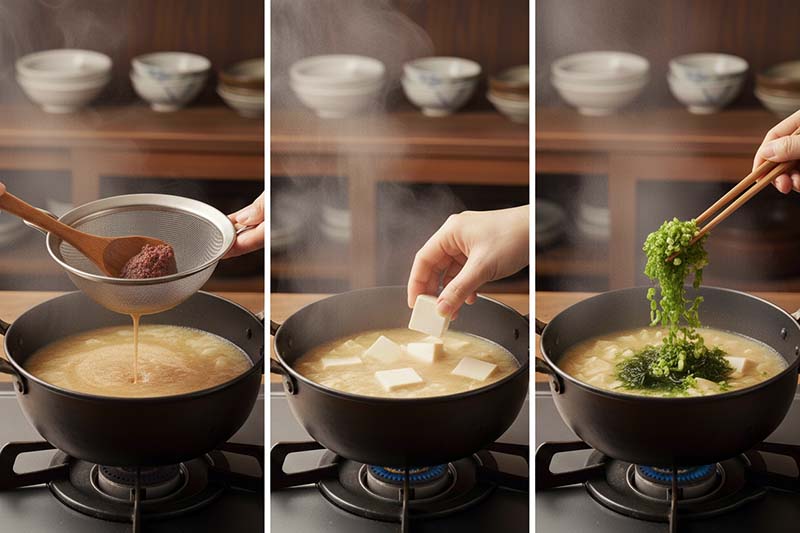
- Prepare dashi broth.
Heat water with kombu, simmer briefly with katsuobushi, and strain. - Add tofu, seaweed, and spring onion.
Warm gently, but do not boil. - Dissolve miso paste.
Place in a ladle with some broth, stir until smooth, then mix into the soup. Recommended: 1 tbsp miso per 200 ml broth. - Remove from heat and serve warm.
Miso is added at the end to preserve enzymes and aroma.
Adding More Ingredients
- Root vegetables: carrots, daikon, or pumpkin – simmer in dashi for 10–15 minutes until tender.
- Leafy greens or mushrooms: add to gently simmering dashi and cook just a few minutes.
Health Benefits
- Fermentation provides probiotics and enzymes that support digestion.
- Natural source of protein, minerals (Ca, Fe, Zn), and B vitamins.
- Low in fat and cholesterol, with a calming and balanced taste.
Shop Ingredients at Foodland.sk
Tip: For a gentle miso soup, use white shiro miso; for an all-purpose flavor, go with awase miso.
Conclusion
Miso soup is more than just a meal – it’s the essence of the Japanese washoku philosophy, where flavor, balance, and respect for nature come together. And miso paste? It’s the soul of this harmony – versatile, nourishing, and always adding depth, calm, and balance to every dish.



Vždy sa tu inšpirujem a naučím niečo nové
Add new comment:
Add reply to comment: