




























The History of Asian Snacks: From Traditional to Modern Favourites
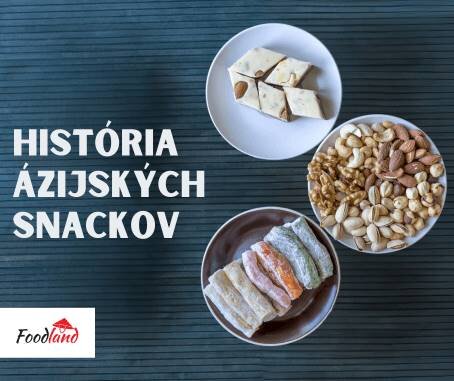
Discover the rich history of Asian delicacies! Explore their origins and unique flavors.
Traditional Asian snacks and its historical development
Asian traditional snacks have a rich history that dates back to ancient times. Here are some interesting facts about this unique food:
- The traditional Asian snack was originally created to provide a quick, tasty and energy boost during busy working days or during long journeys.
- The history of Asian snacks can be traced through different cultures and periods, from ancient times to the modern era.
- These snacks are usually seasoned with specific spices and ingredients that underline their unique taste and aroma.
- Their historical development was influenced by migration, trade routes and cultural exchange, leading to the variety of Asian snacks we know today.
Basic ingredients in traditional Asian snacks
Traditional Asian snacks often consist of fresh ingredients such as rice , vegetables and meat. Salt, pepper, and herbs are also common ingredients to enhance flavor. Some traditional snacks may contain fermented ingredients such as kimchi or soy sauce , which add a spicy and rich flavor. Through these key ingredients, traditional Asian snacks have a unique and refreshing character.
Recipes for ancient Asian delicacies
Ancient Asian delicacies used basic ingredients such as rice, vegetables and meat. Food was usually eaten in small portions, allowing people to taste different flavors. Popular recipes included rice balls stuffed with beans and spicy chicken with bamboo. Ancient Asian delicacies were characterized by simple preparation procedures and distinctive elements.
 Modern trends in Asian snacks
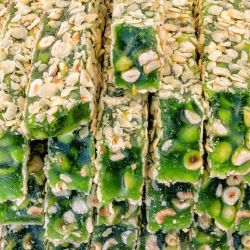
In modern Asian snacks, there is a great emphasis on healthy and organic ingredients. Matcha bars, for example, are becoming increasingly popular, offering not only a tasty alternative, but also healthy benefits thanks to their antioxidant content. Furthermore, saltiness and sweetness in one often appear, like a combination of sesame sticks with maple syrup. These new trends are creating interesting and delicious options for Asian food lovers.
Innovative approaches to traditional recipes
From modern flavor enhancements to interesting presentations, creative chefs create new variations on traditional Asian snack recipes. They will show you how familiar dishes can surprise you with new elements and ways of serving.
Healthy alternatives to common Asian snacks
Nowadays, more and more people are trying to find healthy alternatives to common Asian snacks. Here are some options you can consider:
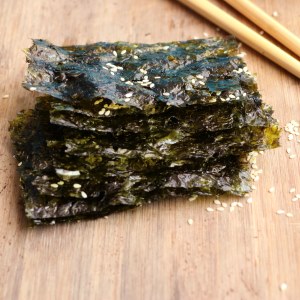
- Dried seaweed is rich in minerals and low in calories.
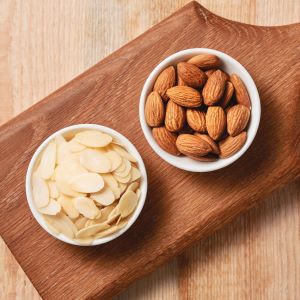
- Almond crisps are full of healthy fats and protein.
- Hummus and vegetable sticks are an excellent choice for a healthy snack.
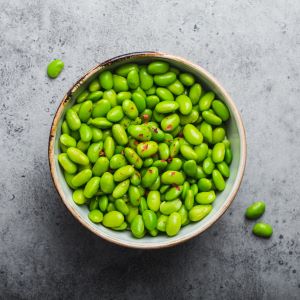
- Edamame beans are another healthy alternative full of protein and fiber.
- Fresh fruit is always a great choice for a tasty and healthy snack.

The impact of globalization on Asian snacks
Asian snacks have changed due to globalization. Traditional recipes and ingredients began to mix with modern flavors and technologies. Some traditional snacks have gained international popularity, while others have adapted to new taste preferences. Globalization has brought new opportunities for people to discover the diversity of Asian cuisine, which leads to interesting combinations and new tastes.
Favorite eat-watch-and-share (eat-watch-and-share) Asian delicacies
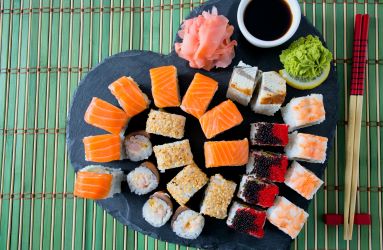
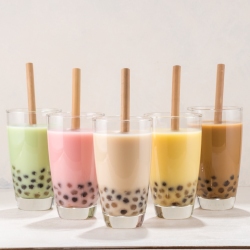
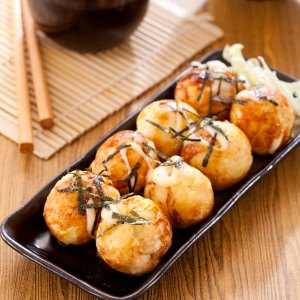
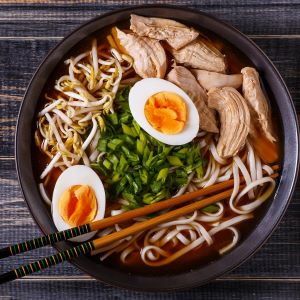
Asian delicacies are becoming popular for their tasty combination and colorful design, which looks impressive not only when served but also in photos. These delicacies are often an attraction not only for the taste buds, but also for the eyes. They can be perfect subjects for taking pictures and sharing on social networks. Among the most popular are sushi, bubble tea , takoyaki and ramen. Their attractiveness is not only in the taste, but also in the colorful visual world they bring to the table.
Current marketing strategies
Current marketing strategies for Asian snacks focus on using social media and influencers to strengthen brand reputation and increase product awareness. Companies often work with popular influencers to create content and promote new products. In addition, contests and special offers are often used to attract customers and build interest in Asian snacks.



This blog post on the history of Asian snacks is incredibly enlightening. I also found another great article about the same stuff. I thought you might like it, too! https://menuwars.com/food-blog/exploring-exquisite-asian-appetizers/
Add new comment:
Add reply to comment: