



























Historical overview of Korea at the Olympics and cultural highlights

Korea has a rich and fascinating history in the Olympic Games, which is strongly linked to its culture, traditions and sporting achievements. This article provides an overview of the important milestones that Korea has achieved on the world Olympic stage, as well as introducing you to some interesting aspects of Korean culture that have influenced the country's sports and lifestyle.
A historical overview of Korea at the Olympics
Korea participated in the Olympic Games for the first time in 1948 in London, where it began to write its sports history. Since then, the country has become a major player on the international sports scene.
Important milestones:
-
London 1948: Korea made its Olympic debut and won its first Olympic medal, a bronze in boxing thanks to athlete Han Su-an.
-
Seoul 1988: Korea hosted the Summer Olympics, a momentous moment not only for the country but also for global sports. Korea showed its ability to host major events and won 12 gold medals, placing 4th overall in the country rankings.
-
PyeongChang 2018: Korea hosted the Winter Olympics where Korean athletes won 5 gold medals. The games were also significant for improving relations between North and South Korea as the two teams marched together in the opening ceremony.
-
Dominance in Taekwondo: Taekwondo, a traditional Korean martial art, was first introduced as an official Olympic sport at the Sydney 2000 Games. Since then, Korea has been among the leading countries in the sport, with its athletes winning numerous gold medals.
Cultural attractions from Korea
Korean culture is steeped in rich traditions that have a profound influence on its sporting achievements and Olympic history. Here are some points of interest that will introduce you to Korean culture:
-
Korean cuisine:
- Korean food is known for its variety and rich taste. Among the most famous is kimchi , a fermented cabbage with a spicy taste that is the basis of almost every meal. Athletes often attribute their strength and endurance to the traditional Korean diet, which is rich in fermented products and healthy proteins.
-
Hanbok:
- Traditional Korean clothing, known as hanbok , is a symbol of Korean culture. This garment was worn during Olympic ceremonies and represents national pride. Hanbok is known for its simplicity and elegance, which reflect the Korean philosophy of harmony and naturalness.

-
Korean Hospitality (Jeong):
- The concept of Jeong is deeply rooted in Korean culture and means "warmth" or "concern for others." This concept affects not only daily interactions, but also the sportsmanship and cohesion of Korean teams. Jeong exhibits a strong sense of community and friendship, which is also visible at international sporting events.
-
K-Pop and the Olympics:
- Korean pop, known as K-Pop , plays an important role in modern Korean culture. During the 2018 PyeongChang Olympic Games, K-Pop stars performed at several ceremonies, introducing the world not only to Korean music, but also to the energy and modern face of the country.
-
Korean flag (Taegeukgi):
- The Korean flag, known as the Taegeukgi , has a deep symbolic meaning. The circular symbol in the center of the flag represents the harmony between opposites (yin and yang), a key principle in Korean philosophy. At the Olympic Games, this flag is a symbol of unity and national pride.
Korean cuisine: A taste of tradition and health
Korean cuisine is one of the richest and most diverse cuisines in the world, which has gained international recognition not only for its unique tastes, but also for its healthy composition and balanced nutritional values. In a culture where food plays a key role, each meal is not only a source of energy, but also a way to honor traditions, show love and create a sense of community.
Kimchi: The Queen of Korean Cuisine
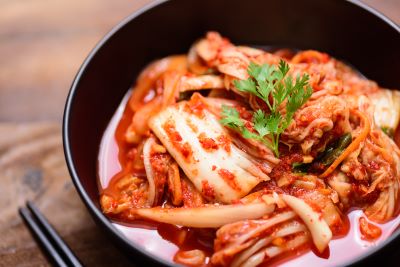
Kimchi is undoubtedly the most iconic dish of Korean cuisine. Often enriched with various vegetables such as radish, onion and carrot, this fermented cabbage is a staple of the Korean diet. Kimchi is seasoned with a mixture of garlic, chili peppers, ginger and fish sauce, which gives it a distinctive and spicy taste. Fermentation not only improves the taste, but also increases the nutritional value of kimchi, which is rich in probiotics, vitamins and minerals.
Kimchi is served as a side dish to almost every meal and is considered a symbol of health and longevity. In many Korean families, the preparation of kimchi is a big event called "Kimjang" , during which the whole family gathers together to prepare a supply of kimchi for the whole year. This tradition has even been inscribed on the list of intangible cultural heritage of UNESCO, which underlines its importance in Korean culture.
Bibimbap: A colorful symbol of balance
Bibimbap is another iconic dish that perfectly captures the philosophy of Korean cuisine – the balance between different tastes, colors and textures. Literally translated as "mixed rice", bibimbap is a dish that consists of a bowl of rice topped with various vegetables, meat (often beef), and topped with a fried egg. The final step is to mix all the ingredients with sesame oil and spicy gochujang sauce.
Each component of bibimbap has its own meaning and benefit for health. For example, vegetables such as spinach, carrots and bean sprouts provide the body with necessary vitamins and minerals, while meat provides protein. The combination of colors - white rice, green vegetables, red sauce, brown meat and yellow egg - has a beneficial effect on the body's energy balance, according to traditional Korean medicine. 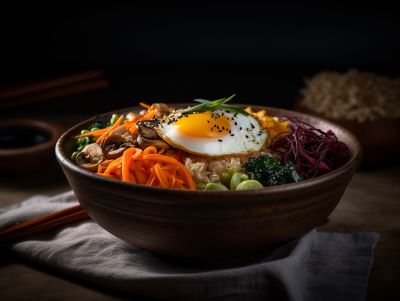
Bulgogi: Delicious marinated meat
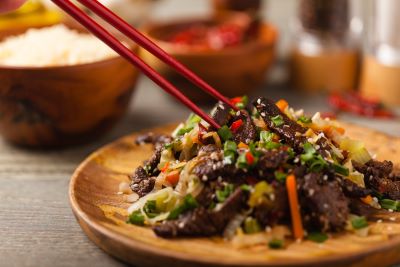
Bulgogi is one of the most popular meat dishes in Korea. This dish is prepared from thin slices of beef marinated in a mixture of soy sauce, sugar, sesame oil, garlic and onion. The marinated meat is then quickly fried on the grill or in a pan. The result is an incredibly juicy and delicious dish that is often served with vegetables and rice.
Bulgogi is so popular in Korea that it is often prepared not only at home, but also in restaurants where guests can grill the meat themselves right at the table. This dish is a great example of how Korean cuisine combines tradition with a modern way of eating.
Korean BBQ: A social experience
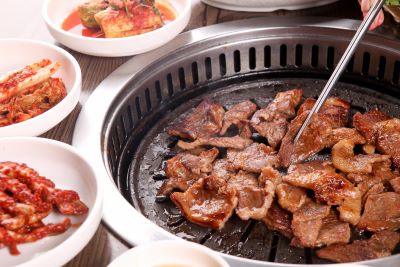
Korean BBQ, known as Gogi-gui , is more than just a way of preparing food – it's a social experience. This style of eating involves grilling different types of meat directly on the table, where everyone can participate in the preparation of the food. Korean BBQ includes a variety of meats, including pork, beef, and chicken, which are often marinated similar to bulgogi.
BBQ is served with a variety of side dishes, called banchan , which include different types of kimchi, pickled vegetables, tofu and more. Grilling together and sharing food around the table is an important part of Korean culture, which emphasizes the importance of community and relationships.
Traditional foods and their place in the Olympic Games
During the Olympics, Korean food often serves as a way to introduce Korean culture to an international audience. At Olympic events, Korean food stalls are popular for their authenticity and the opportunity to taste the true taste of Korea. Athletes and visitors have the opportunity to taste traditional Korean food, which is not only delicious, but also rich in nutrients, which is ideal for maintaining energy and health during demanding sports competitions.
Korean cuisine, with its emphasis on balance, fresh ingredients and strong flavors, is not only a way of eating, but also an expression of cultural identity that is reflected in every aspect of life in Korea, including sports and the Olympics.
Conclusion
Korea has a rich history of success in the Olympic Games, which is inextricably linked to its culture and traditions. Whether it is outstanding sports results or the spread of Korean culture through food, fashion or music, Korea has always managed to captivate the world. Discover Korean culture and its connection to sports through dishes like kimchi, or celebrate the Olympics with traditional hanbok and K-Pop. Visit Foodland to find authentic Korean ingredients that will allow you to bring a piece of Korea right into your kitchen.



Add new comment:
Add reply to comment: