




























Christmas Celebrations in Asia and Europe: How Do They Differ?
Christmas is a time of joy, love, and reunions with family and friends. Although Christmas is traditionally associated with the Christian faith, the celebrations and traditions have adapted to local cultures and religions in each country. Let’s take a look at how this time of year is celebrated around the world, with a special focus on Asia.
Europe: Traditional Celebrations Full of Lights, Food, and Songs
Europe is known for its diverse Christmas traditions, which are often influenced by historical ties and cultural exchanges between countries. These celebrations feature a unique combination of regional customs, while reflecting common values such as family, hospitality, and faith. For example, Advent markets, which originated in Germany, have become popular in neighboring countries, each adding its own distinctive elements. Similarly, customs associated with Saint Lucia’s Day in Scandinavia have spread to other countries, where light symbolizes hope during the winter months.
France: A Luxurious Christmas Dinner
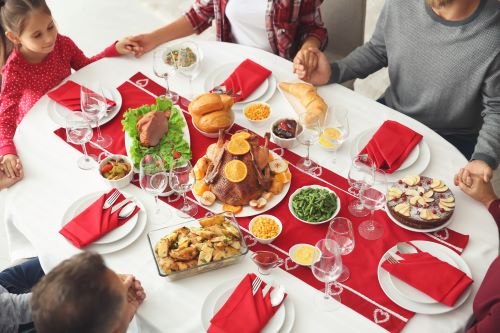
In France, the "réveillon" is a rich Christmas dinner featuring delicacies like foie gras, oysters, and the traditional Christmas dessert – bûche de Noël (Yule log). Families gather for midnight mass, and the celebrations continue into the early morning.
Germany and Austria: Advent and Christmas Markets
Advent is a time of anticipation in Germany and Austria, marked by Advent wreaths and candles. Christmas markets offer sweets, mulled wine, and handicrafts. Children eagerly await the arrival of Saint Nicholas, who brings gifts.
Scandinavia: Light in the Darkness
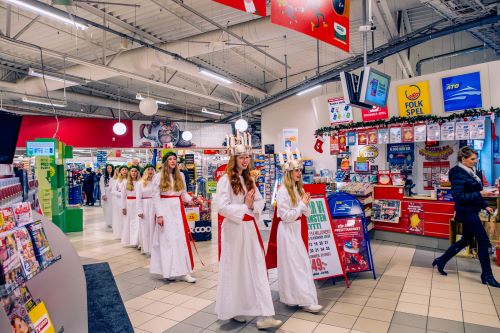
In the Nordic countries, Saint Lucia’s Day is a key part of pre-Christmas celebrations. Children wear white robes and crowns with candles to symbolize light in the winter darkness.

Asia: A Blend of Traditions and Modern Influences
Asian countries have a unique approach to Christmas celebrations, reflecting their diverse cultural, religious, and historical backgrounds. Unlike Europe and America, where Christmas is often rooted in Christian traditions, in Asia, these celebrations are often influenced by modern trends and globalization. The colonial history of countries such as the Philippines and India contributed to the introduction of Christian traditions, while in Japan and South Korea, Christmas has become more of a commercial or social event. These differences reflect how Asia embraces foreign cultural influences and adapts them to local customs.
Japan: Courier Chicken and Romance
Christmas in Japan is not a religious holiday but rather a day of celebration and joy.
-
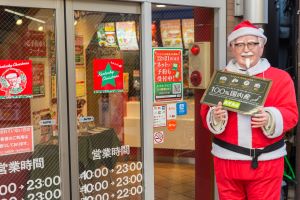
Fried Chicken: One of the most interesting traditions is eating fried chicken from KFC. This custom began in the 1970s as part of a marketing campaign called "Kentucky for Christmas," which appealed to Japanese people who didn’t have traditional Christmas dishes. The campaign promoted KFC as the perfect meal for the holiday, and over time it became a popular part of Christmas celebrations. Today, it’s often necessary to reserve orders weeks in advance.
-
Romantic Celebrations: Christmas in Japan is a day of romance, when couples exchange gifts, dine in luxury restaurants, and enjoy the festive atmosphere.
South Korea: A Fusion of Christian and Commercial Elements
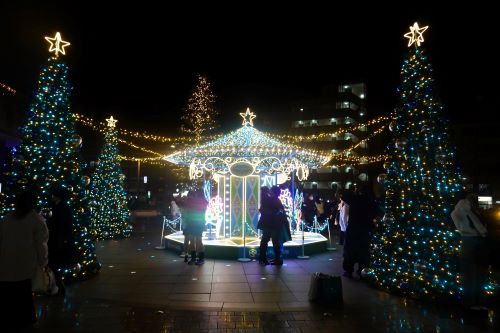
South Korea is one of the few countries in Asia where Christianity is widespread, so Christmas is an official holiday.
-
Churches are decorated with lights and choir singing.
-
Young people exchange gifts and enjoy the atmosphere of Christmas markets
. 
China: The Growing Popularity of Christmas
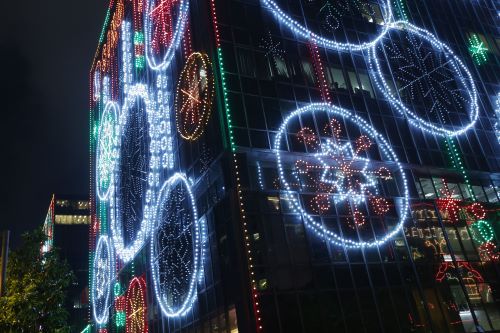
Although Christianity is a minority religion in China, Christmas has gained popularity in urban areas.
-
A typical gift is the "apple of peace" (ànpíng guǔ), which symbolizes peace.
-
The shops are decorated with colorful decorations, similar to those in the West.
Philippines: The Longest Christmas Celebrations in the World
The Philippines is known for having the longest Christmas celebrations, which begin as early as September. This extended holiday season has significant cultural, social, and even economic impacts.
-
Social Significance: Families and communities bond during many events, such as "Misa de Gallo" (morning masses), traditional parties, and musical performances.
-
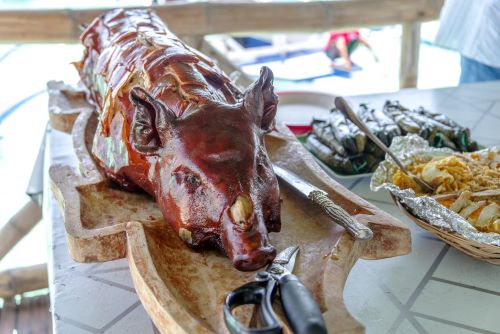
Economic Impact: The extended celebrations boost demand for gifts, decorations, and food, stimulating the local market. Small businesses offering traditional dishes like lechon (roast pig), bibingka (rice cake), and queso de bola (Edam cheese ball) see increased sales. Likewise, shopping malls and markets enjoy a surge in customers.
-
Music and Culture: Preparations start with traditional songs and celebrations, bringing a sense of joy and unity.
Other Asian countries
-
India: Christmas is known as Bada Din (“Big Day”), where tables are filled with dishes like plum cake (fruitcake).
-
Thailand: In a country dominated by Buddhism, Christmas is more of a commercial holiday. Shops are decorated, and people exchange gifts, often in connection with the New Year.
Conclusion
Christmas is a celebration that unites people around the world, whether in the form of traditional rituals or modern elements. The greatest gift of this holiday is its ability to bring smiles and joy no matter where you are.



Add new comment:
Add reply to comment: