

























All Saints' Day, Halloween, and Similar Traditions Around the World: Honoring Life and the Deceased
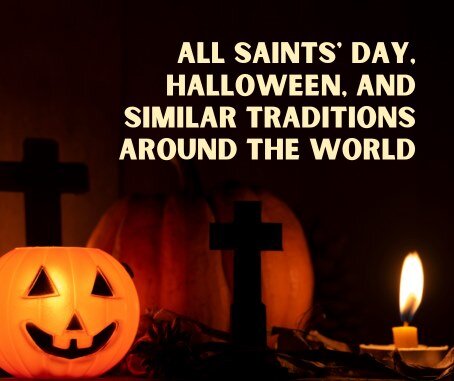
As autumn arrives, many cultures around the world commemorate the deceased through special traditions. All Saints' Day, Halloween, Día de los Muertos, and other holidays are not only opportunities to remember those who have passed but also to celebrate life. Each tradition has unique customs, symbols, and foods that make it special. Let's explore how these holidays are celebrated in various countries and what they have in common.
All Souls' Day (November 2) – Slovakia and Other Countrie
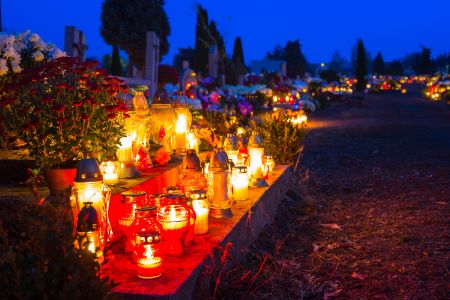
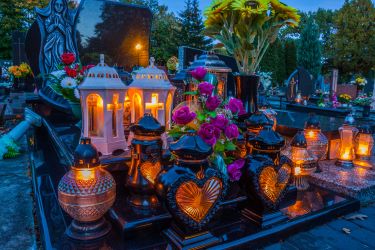
In Slovakia and many other countries, November 2 is traditionally celebrated as All Souls' Day, also known as the Commemoration of All the Faithful Departed. This holiday is observed not only in Slovakia but also in countries like Poland, Hungary, Austria, Germany, Spain, and parts of Latin America. People visit cemeteries, light candles, and place flowers on the graves of their loved ones. The holiday is deeply rooted in Christian beliefs and is associated with prayers for the salvation of the souls of the deceased. In Slovakia, it is a peaceful and dignified day when families gather to honor and remember those who are no longer with them. The candles symbolize light that helps guide the souls of the departed toward eternal peace in heaven.
Halloween (October 31) – USA, Canada, the UK, and Other Western Countries
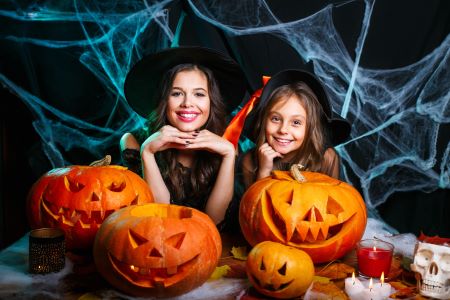
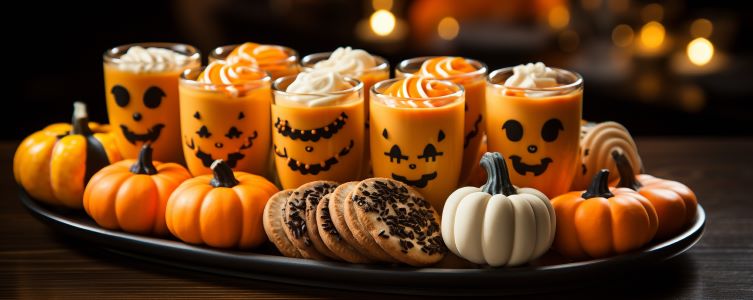
Halloween is a famous holiday celebrated mainly in the USA, Canada, the United Kingdom, and Australia, though its popularity is spreading to other parts of the world. Originally, it was associated with the Celtic festival of Samhain, which marked the end of the harvest and the beginning of the darker half of the year. It was believed that on the night of October 31, the boundary between the worlds of the living and the dead would become blurred, allowing spirits to roam the earth. To avoid being recognized by these spirits, people dressed in masks. Today, Halloween is known for its spooky decorations, costumes, and festivities, where children dress up and go "Trick-or-Treating" from house to house collecting candy. Witches, ghosts, vampires, and skeletons dominate the atmosphere, and many homes and streets are themed accordingly. Movie marathons of horror films and traditional foods like pumpkin pie, candy, and caramel apples are part of the celebration.
Día de los Muertos (November 1–2) – Mexico and Latin America
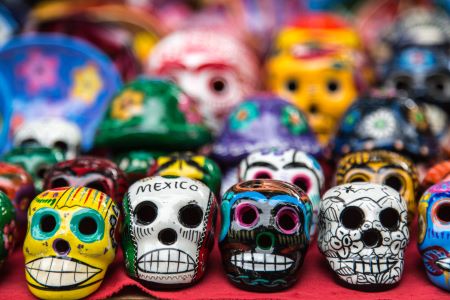
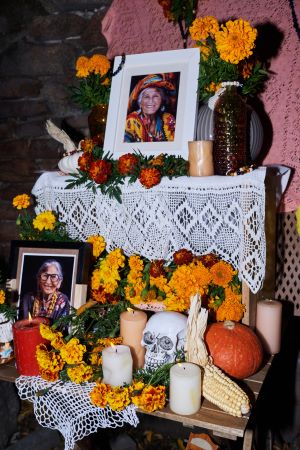
Día de los Muertos, or the Day of the Dead, is one of the most colorful and lively holidays in Mexico and parts of Latin America. Held from November 1 to 2, this holiday blends pre-Hispanic and Catholic traditions. It is dedicated to remembering deceased loved ones, with the belief that their souls return to earth to reunite with the living. Families create altars (ofrendas) adorned with photographs, marigold flowers, candles, incense, and the favorite foods of the deceased. While it has deep spiritual significance, the holiday is joyful, filled with parades, dancing, music, and traditional masks. Calaveras (sugar skulls), which symbolize death as a natural part of life, are central to the celebrations. Rather than mourning, this festival celebrates the beauty of life and the cherished memories shared with loved ones.
Obon (July/August) – Japan
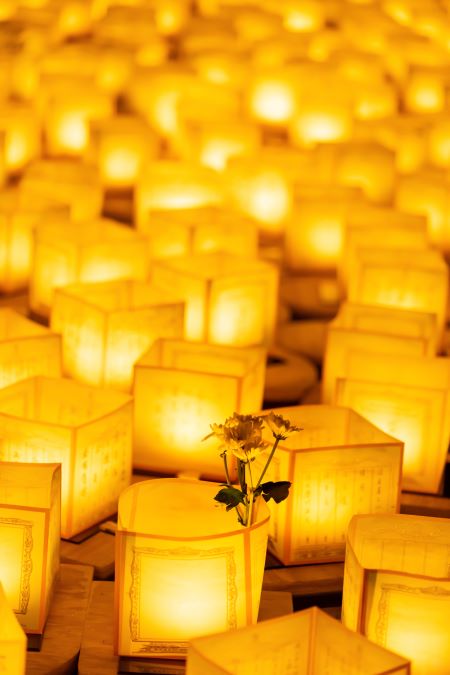
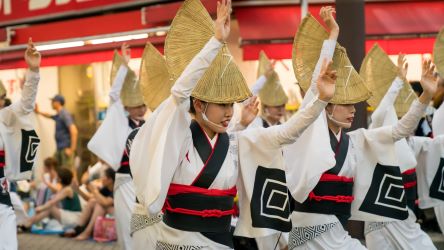
Obon, also known as the Bon Festival, is a Japanese Buddhist holiday during which it is believed that the spirits of ancestors return to visit their living relatives. Usually celebrated in August and lasting three days, traditional customs include cleaning graves, performing Bon Odori dances, preparing food for the returning spirits, and lighting lanterns to guide them back to the spirit world. Deeply rooted in Japanese culture, Obon is a time for families to come together to honor their ancestors and offer prayers for their souls. Obon is one of Japan’s most significant Buddhist festivals, blending tradition with a deep respect for family ties and ancestry.
Chuseok (Usually in September or October) – Korea
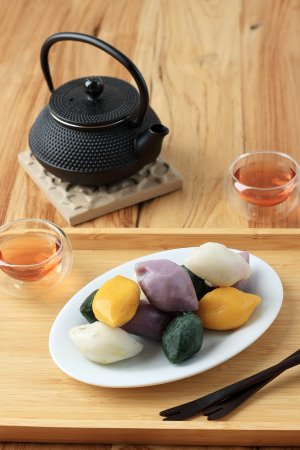
Chuseok is one of the most important traditional holidays in Korea. While primarily a harvest festival, it has a strong connection to ancestral veneration. During this three-day festival, families gather to honor their ancestors through ceremonial offerings and visits to ancestral graves. Celebrations include sharing meals, performing traditional dances, and enjoying family reunions. Special foods, such as songpyeon (rice cakes), are made specifically for this occasion. Chuseok is deeply embedded in Korean culture, carrying with it the message of respect for family and tradition.
Pchum Ben (Usually in September or October) – Cambodia
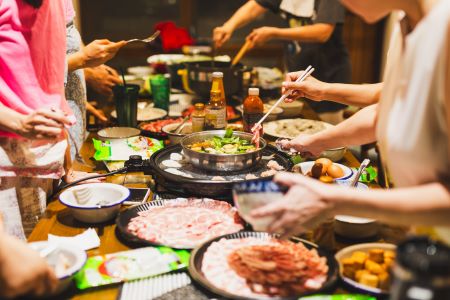
Pchum Ben is one of the most important Buddhist festivals in Cambodia, also known as "Ancestor’s Day." Celebrated for 15 days, this holiday is dedicated to honoring deceased ancestors. Cambodians believe that during Pchum Ben, the souls of their ancestors return to earth. Families visit temples (pagodas) and offer food and alms to monks to ensure their ancestors' souls find peace. The rituals include prayers and ceremonies to help the deceased transition smoothly into the next life. Pchum Ben is a festival that emphasizes family, compassion, and respect for traditions and ancestors, making it deeply significant in Cambodian culture.
A Global Connection
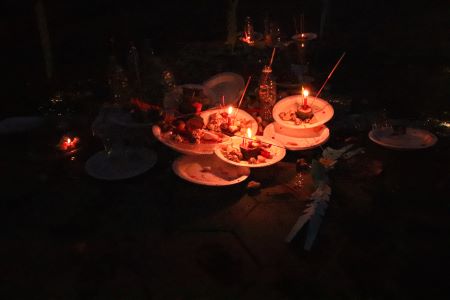
Despite the differences in customs, these holidays share a common theme—remembering and honoring the deceased. Whether it’s lighting candles on All Saints' Day or dancing during Día de los Muertos, these traditions allow people to reflect on life, death, and their enduring connections with their loved ones.
These holidays provide a moment of unity, where people across the globe come together to honor their ancestors, strengthen family bonds, and celebrate the lives of those who have passed.
Conclusion
Whether you celebrate All Saints' Day, Halloween, Día de los Muertos, or similar holidays, these special times remind us of the importance of memory, unity, and gratitude. Across cultures, we find different ways to commemorate those who have passed, but at the heart of it all, these holidays are about love and remembrance.



Add new comment:
Add reply to comment: